

A Travel Guide for Sagada, Mountain Province
Updated February 18, 2012

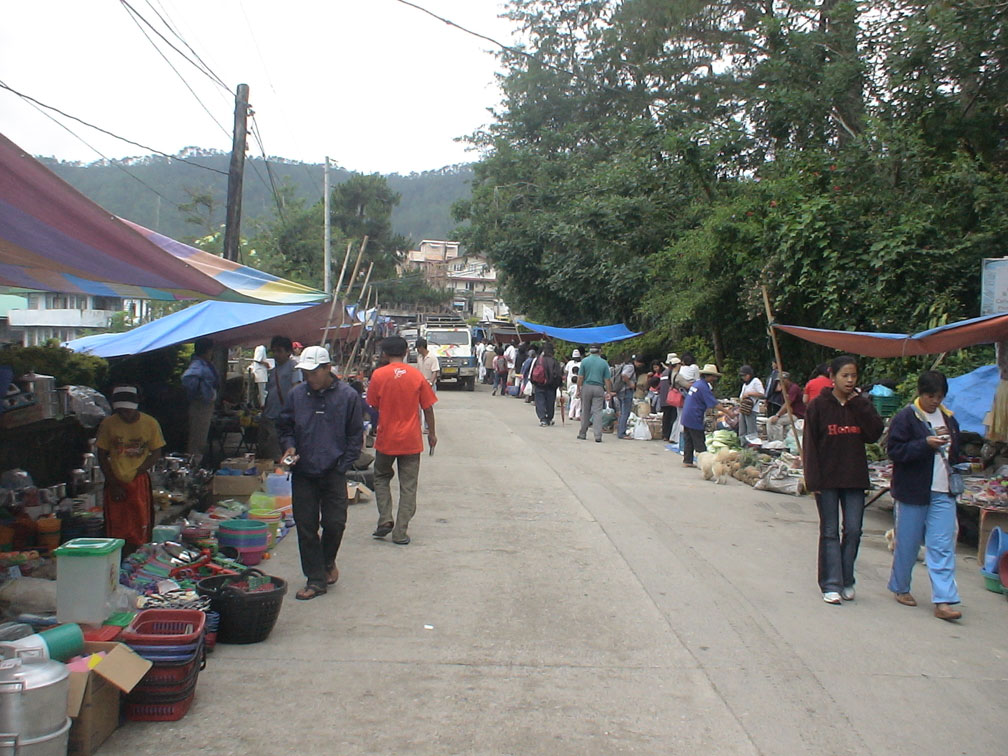
2) More Saturday morning street market
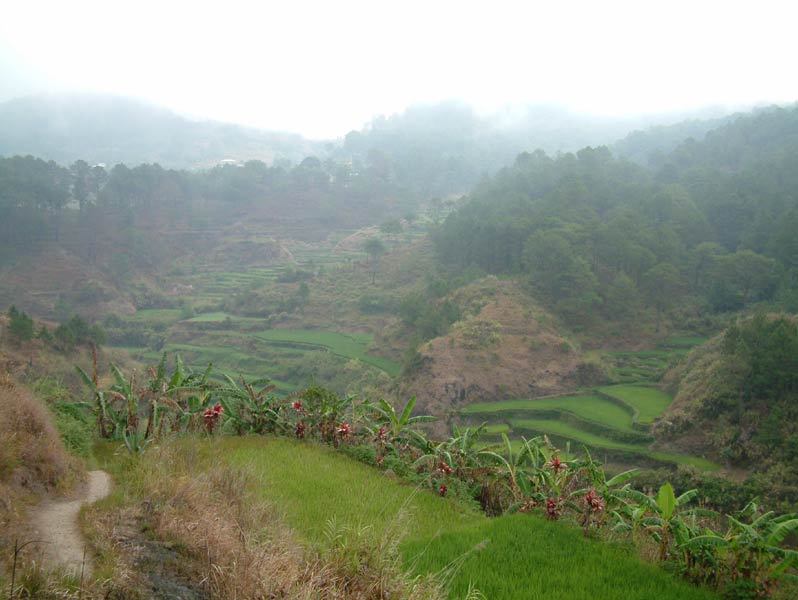 4) Early morning
in the rice terraces, just behind St. Joseph's - pathway to Datil
4) Early morning
in the rice terraces, just behind St. Joseph's - pathway to Datil 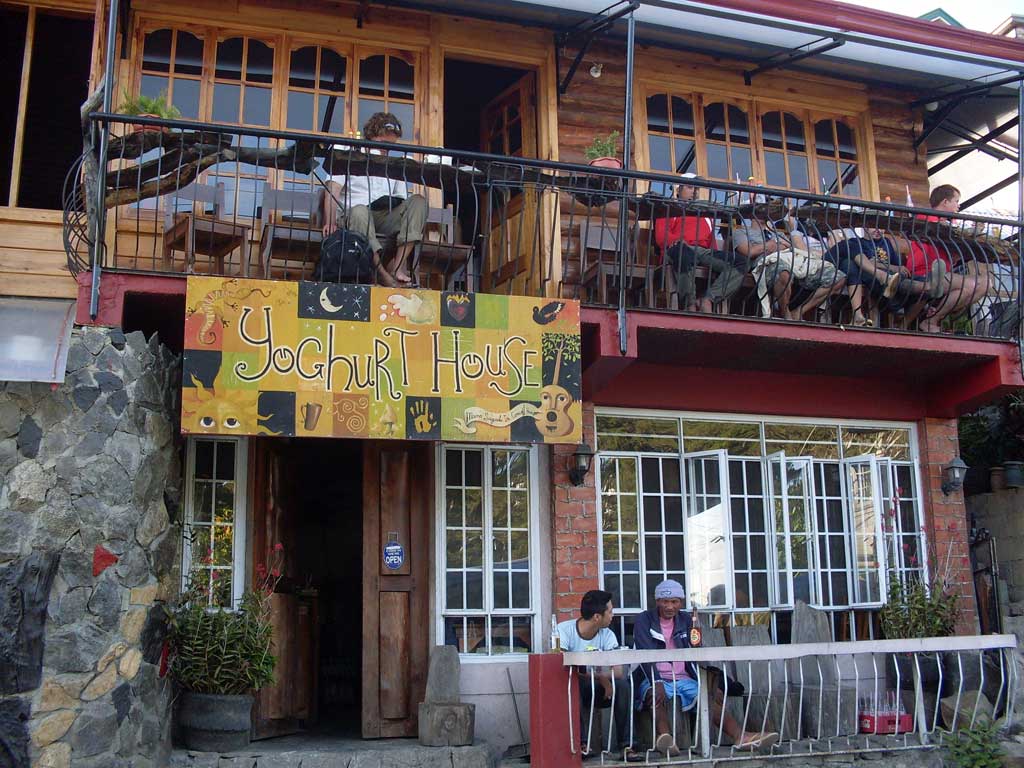
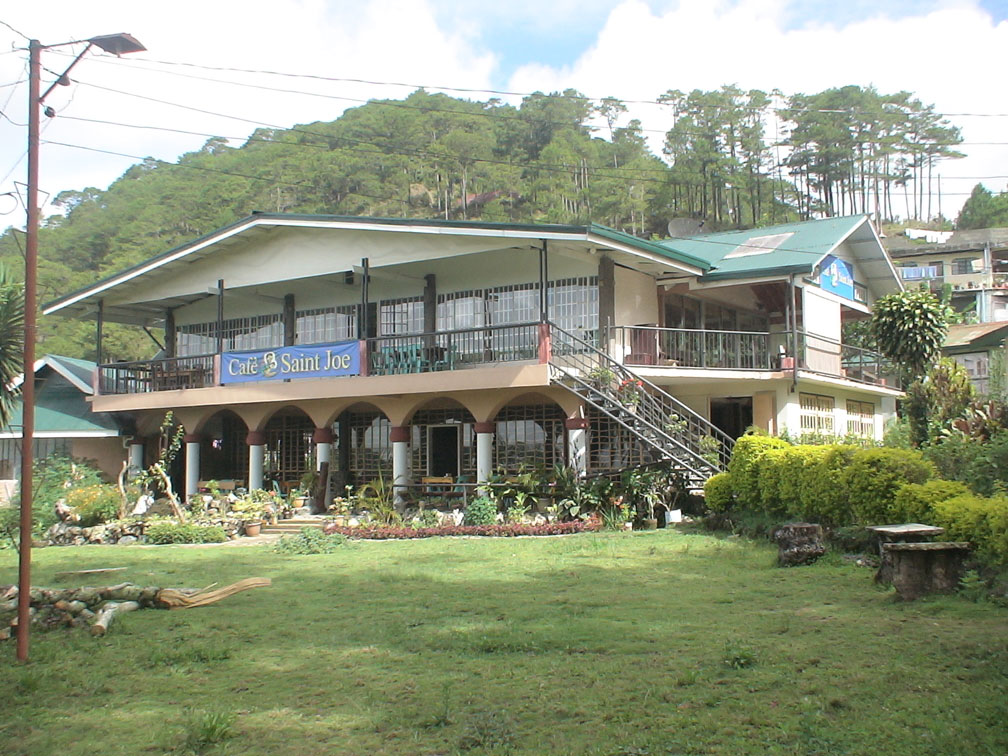
6) Cafe Saint Joe - On the same grounds as St. Joseph Rest House
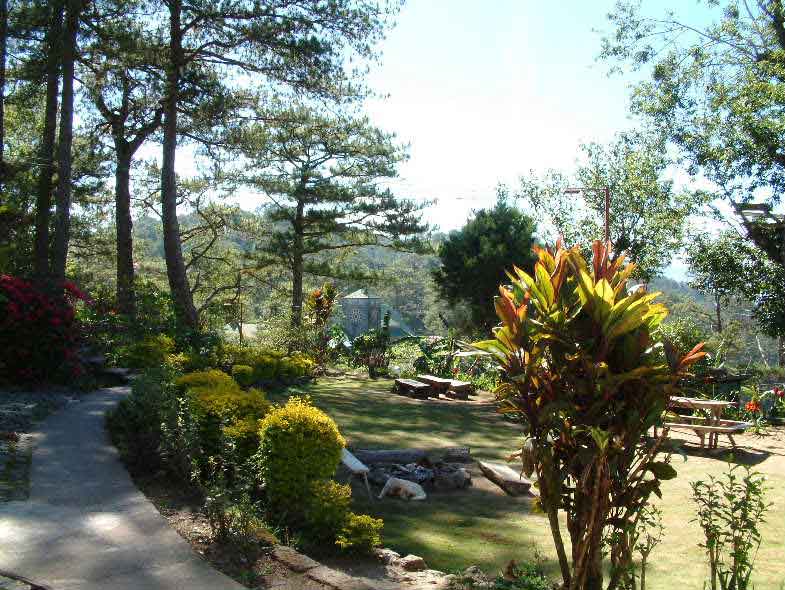
7) View from Cafe Saint Joe - Saint Joseph Rest House gardens
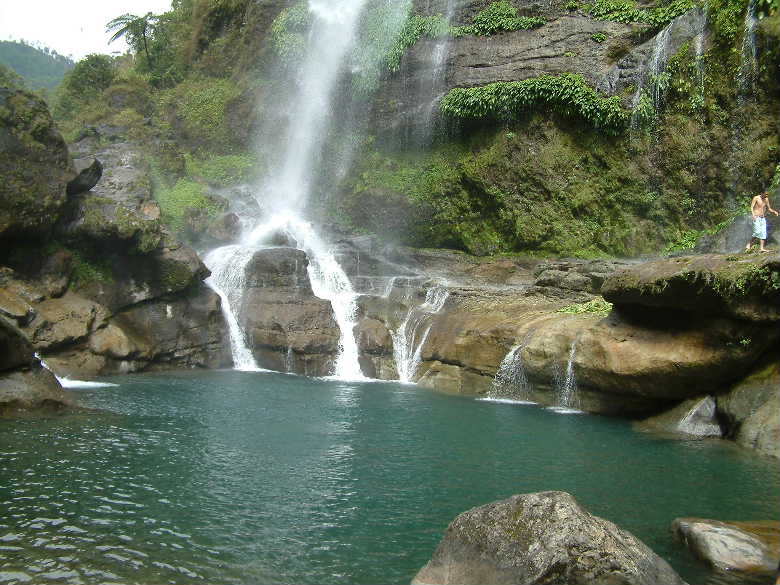
7) The Big waterfall (Bomod-ok)
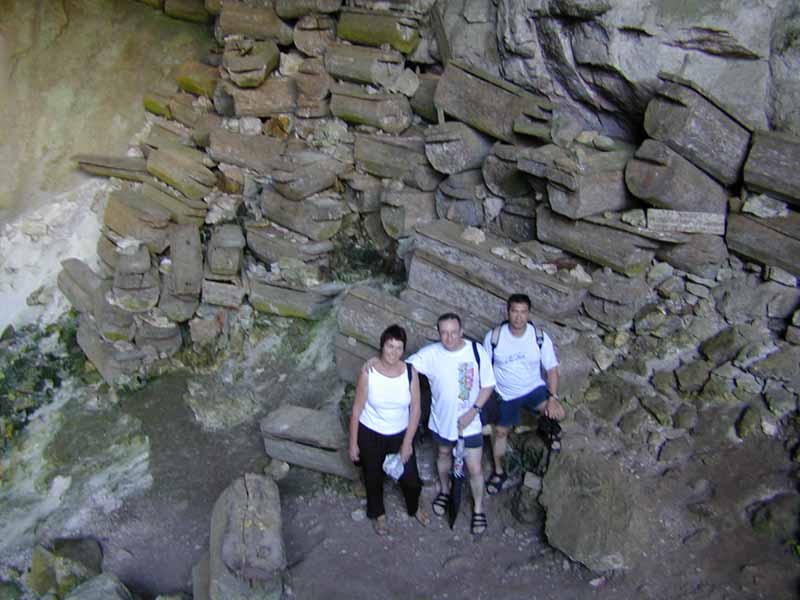
8) Burial cave
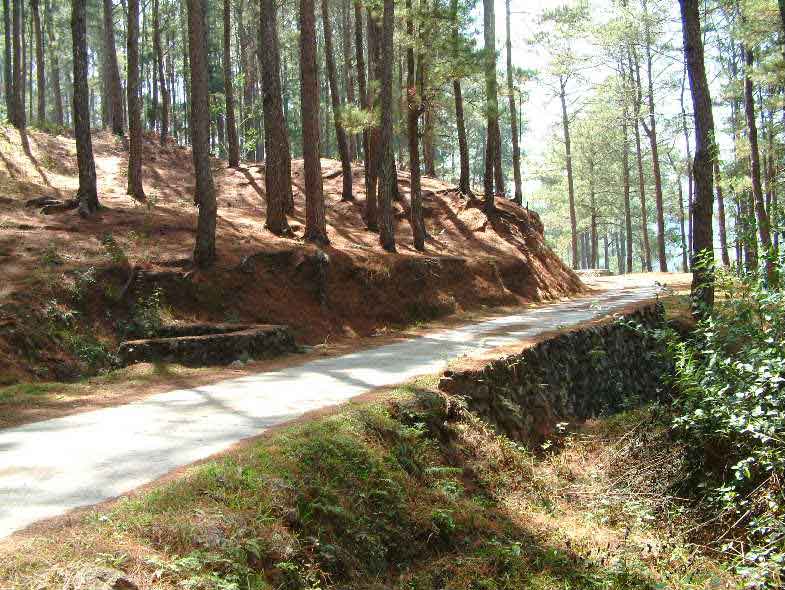
9) The road to Suyo - past the burial cave
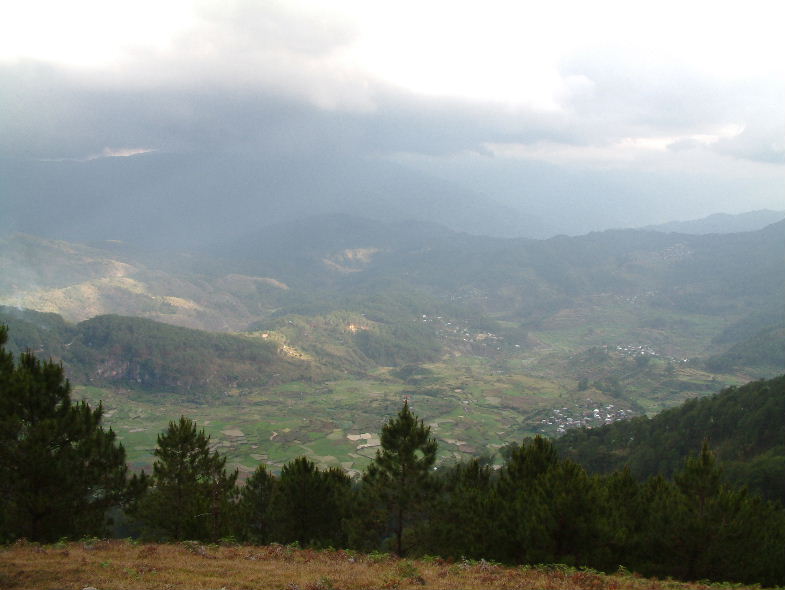
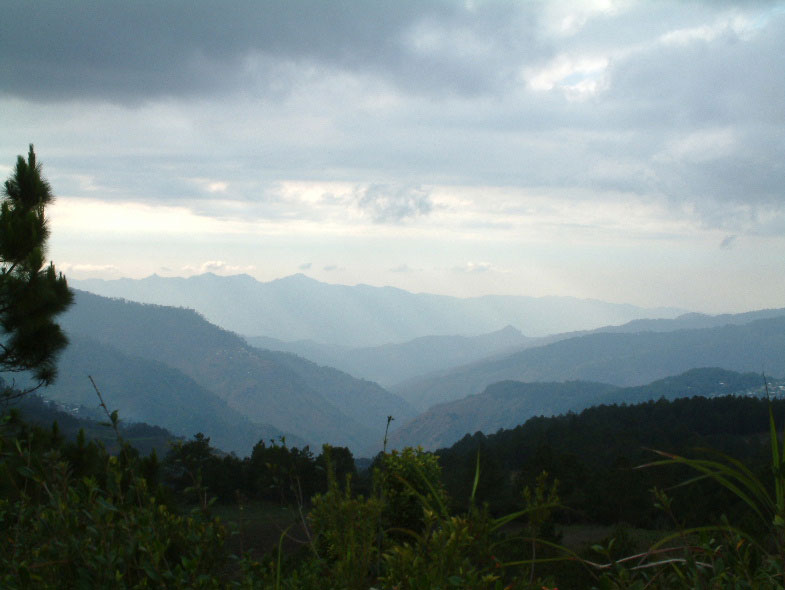
11) Northern view from Mt. Ampacao
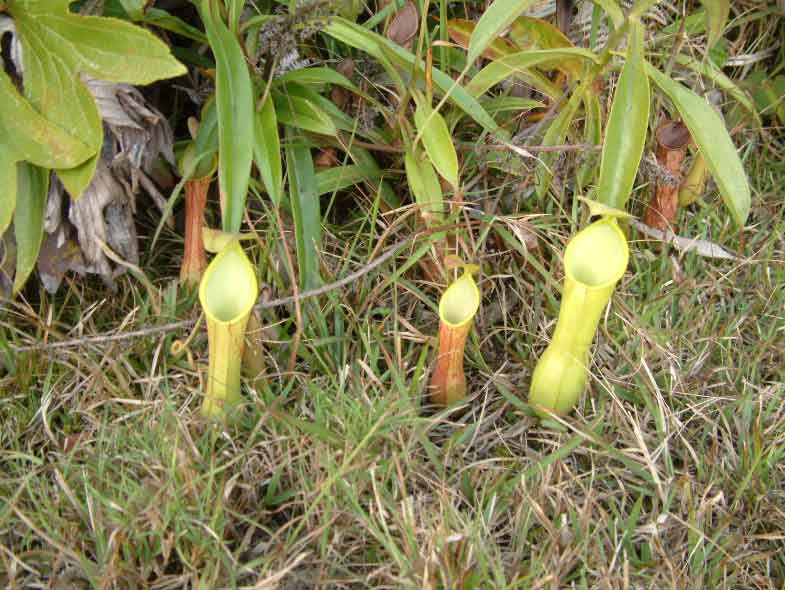
12) Pitcher plants at Mt. Ampacao
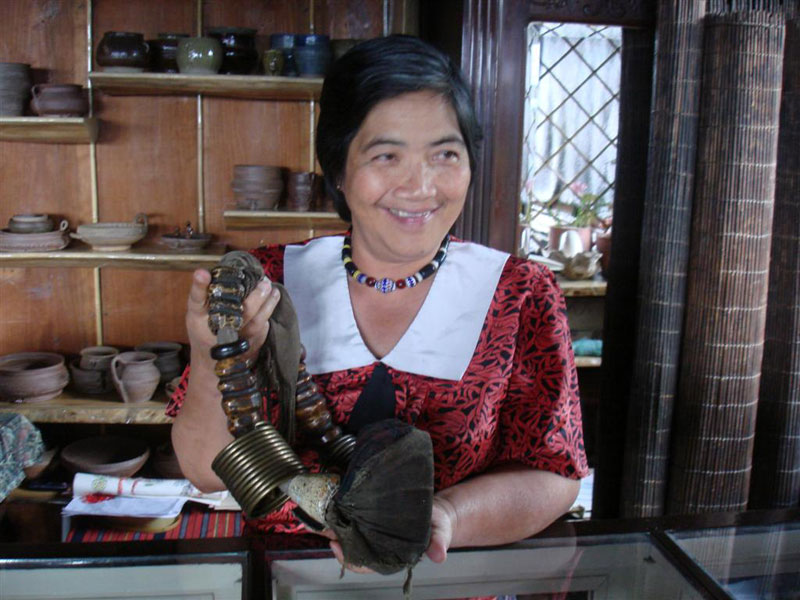
13) Ganduyan Museum. Christina with traditional money belt.
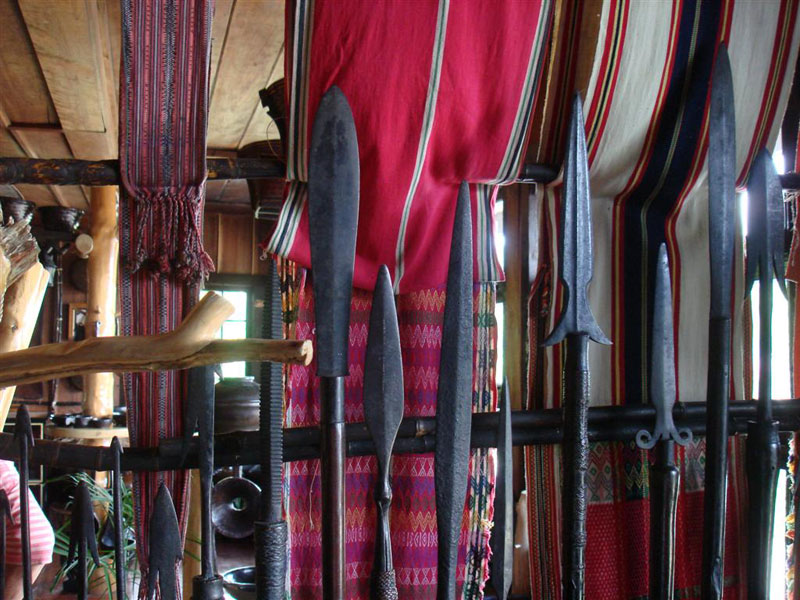
14) Ganduyan Museum - Balbeg –A collection of spears used for hunting and as weapons
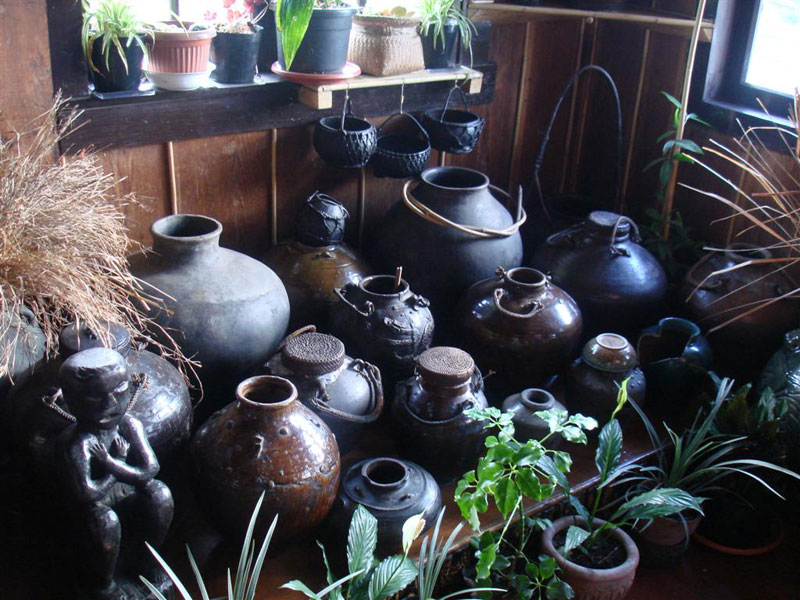
15) Ganduyan Museum - Antique Chinese trade jars - local jars for holding sugar cane wine (basi)
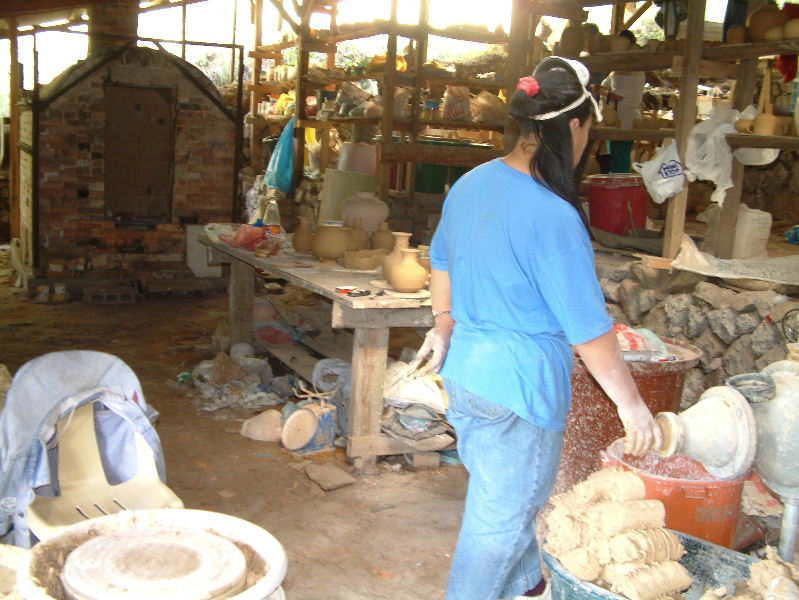 16) Pottery workshop
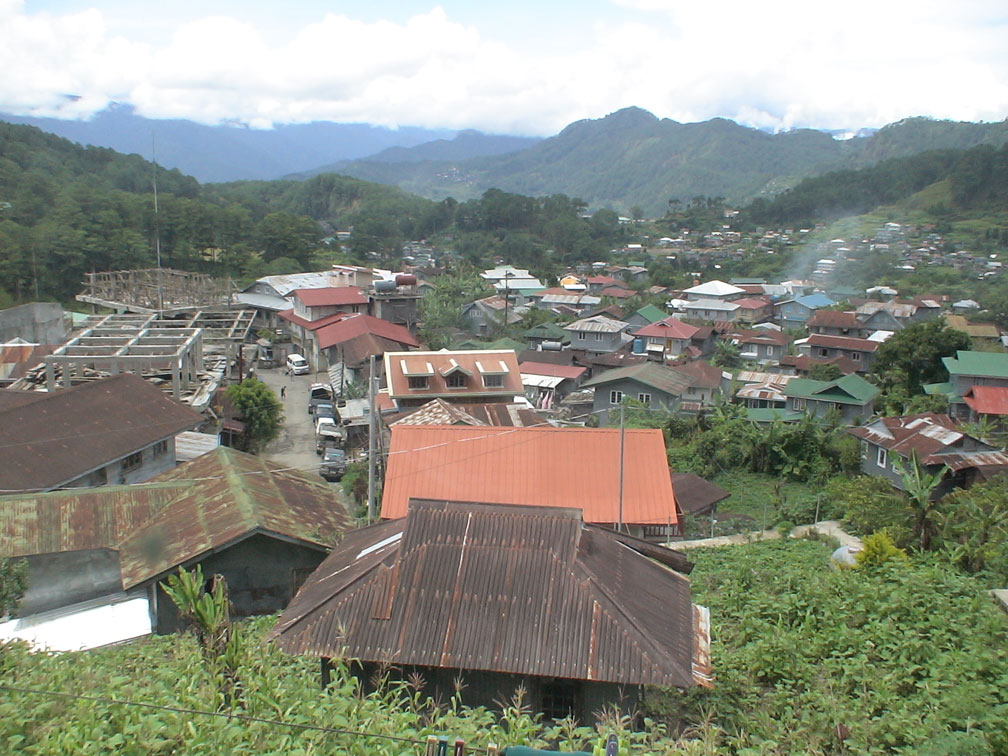
18) View from Sagada Homestay

19) Sagada Homestay Dining Room
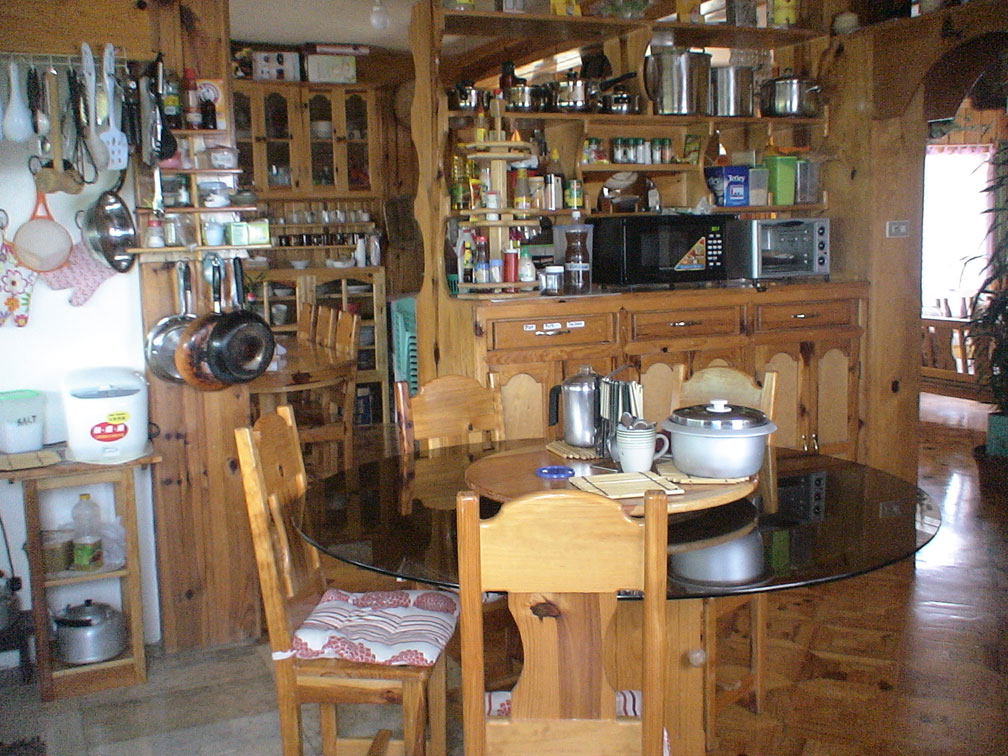
20) Sagada Homestay kitchen
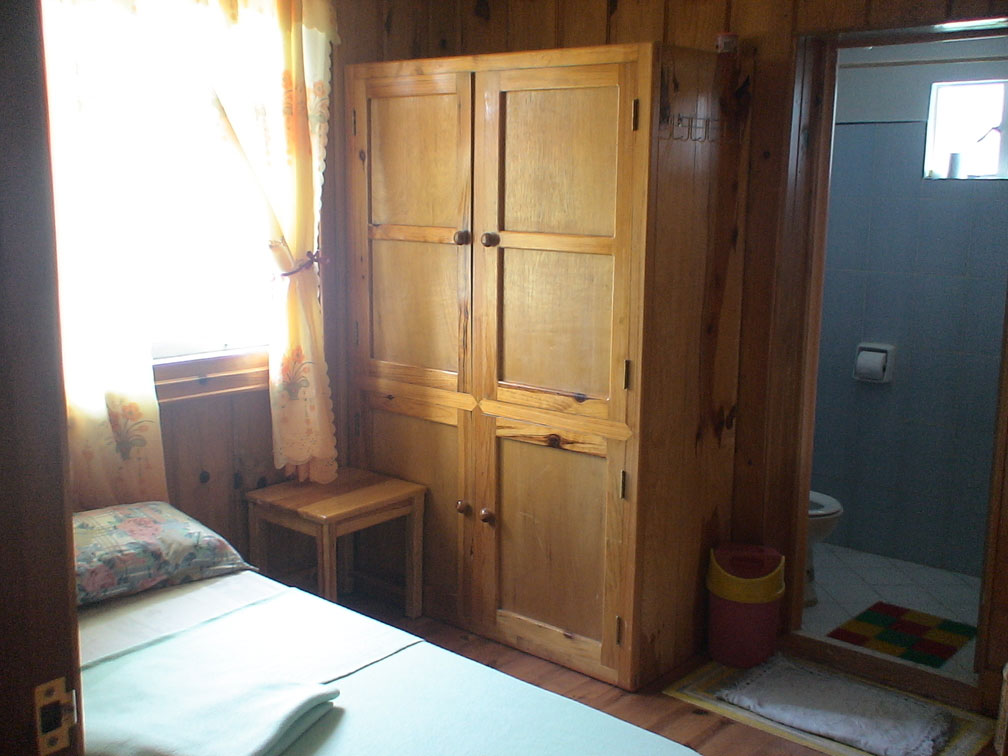
21) Sagada Homestay bedroom with private bathroom
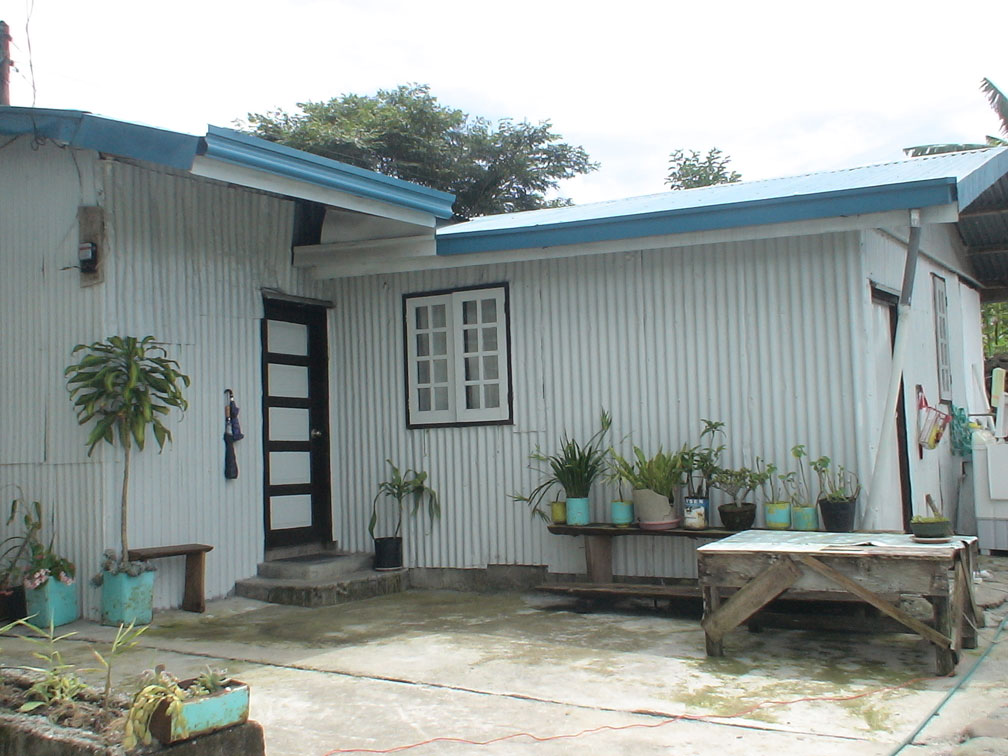
22) Sagada Homestay 2 bedroom cottage
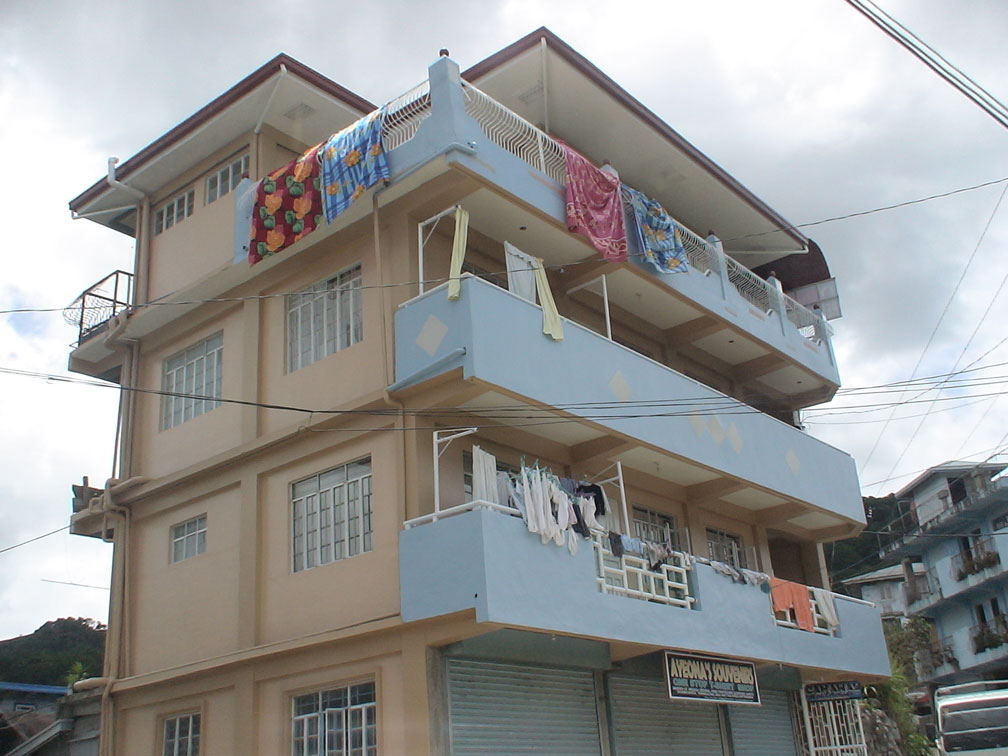

24) Canaway Resthouse - View from rear window
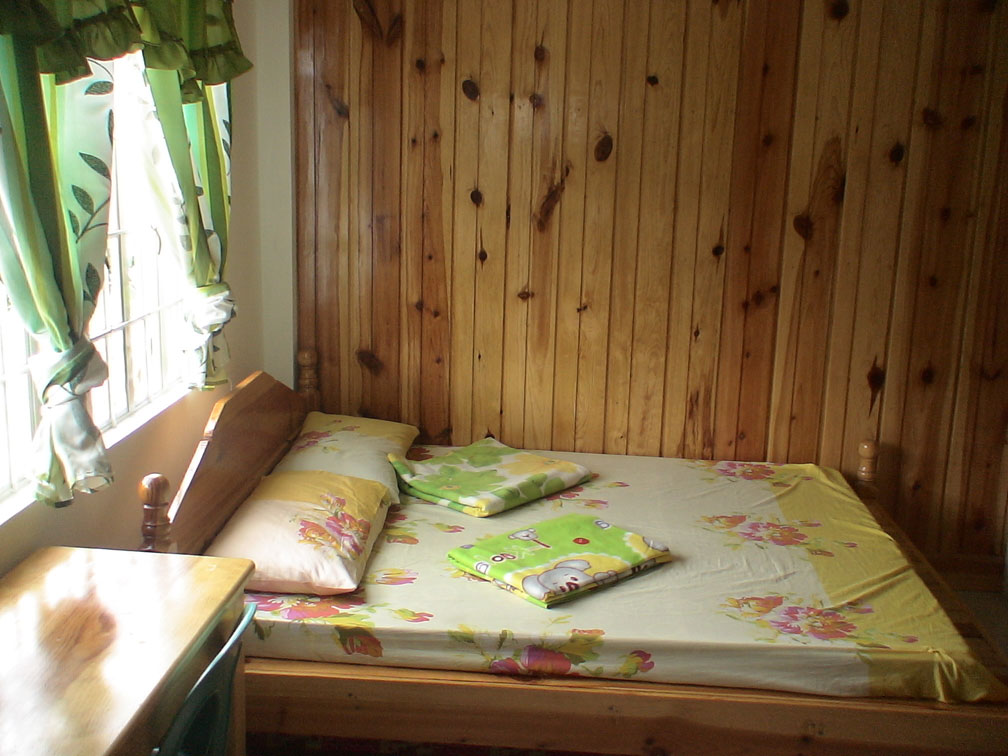
25) Canaway Resthouse bedroom second floor

26) Canaway Resthouse bedroom third floor - recently dived into two bedrooms

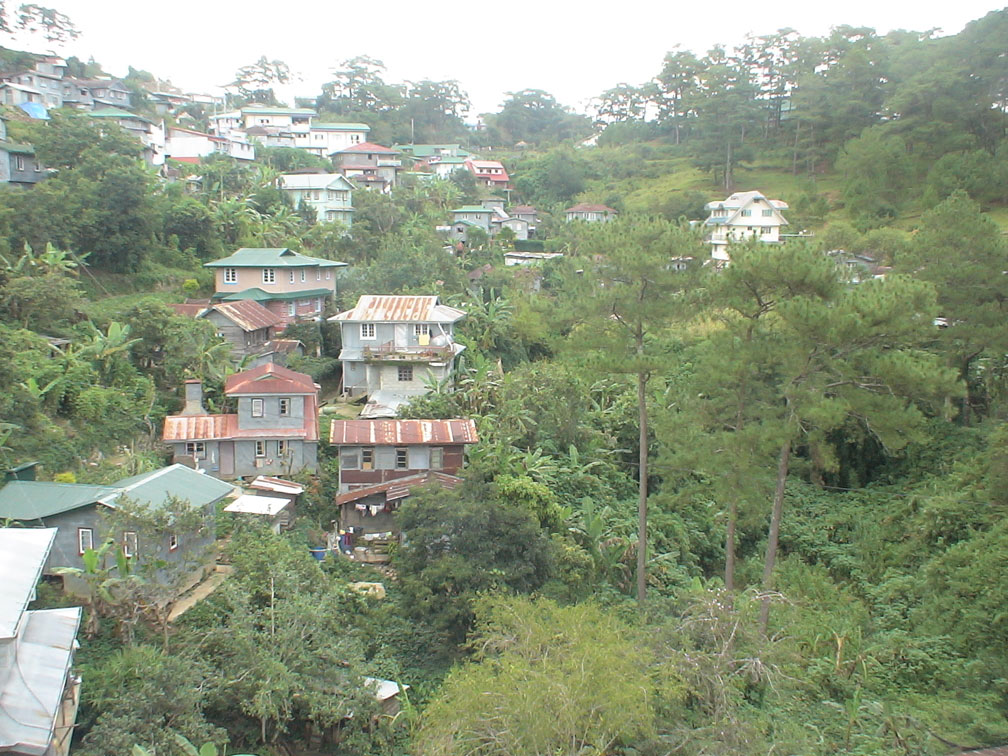
28) Residential Lodge - View from rear window 2nd Floor
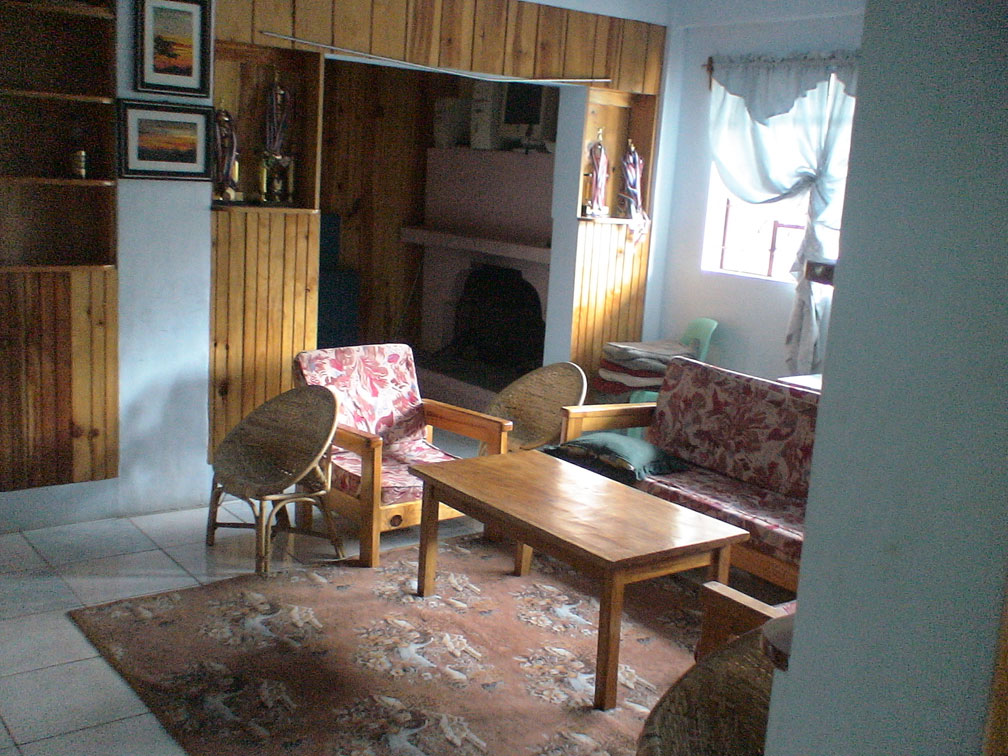
29) Residential Lodge 2nd floor common room

30) Residential Lodge bedroom
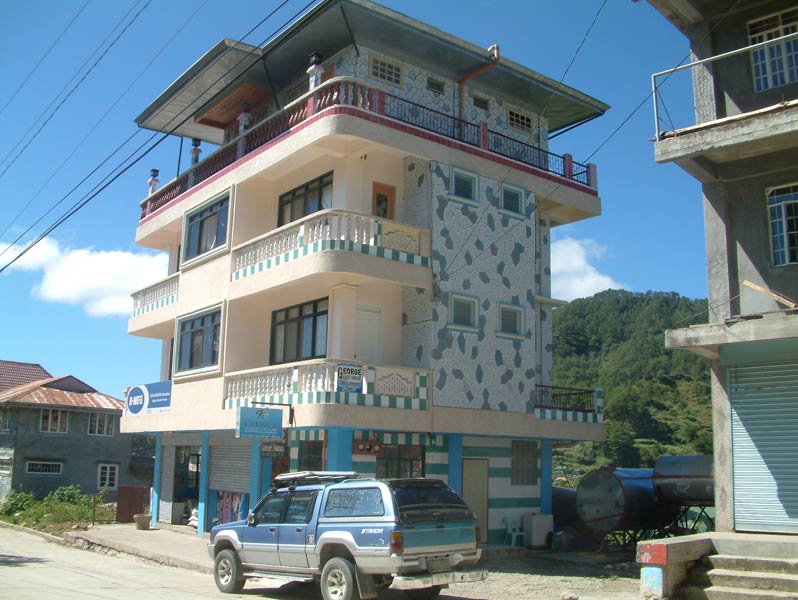
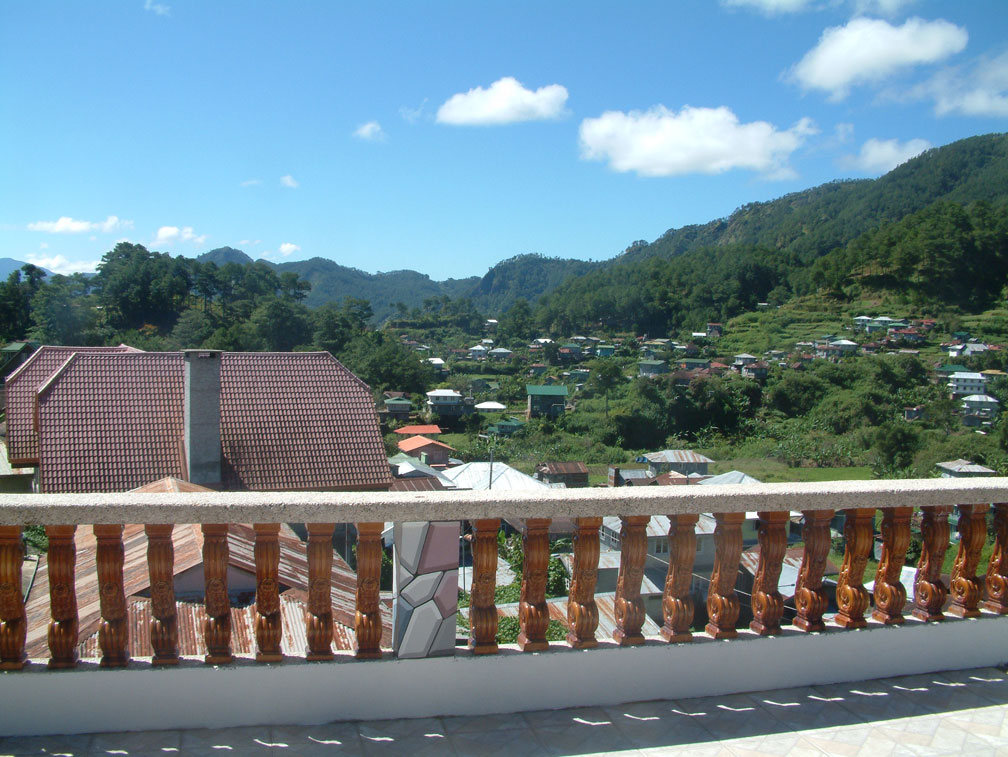
32) George Guest House view from balcony
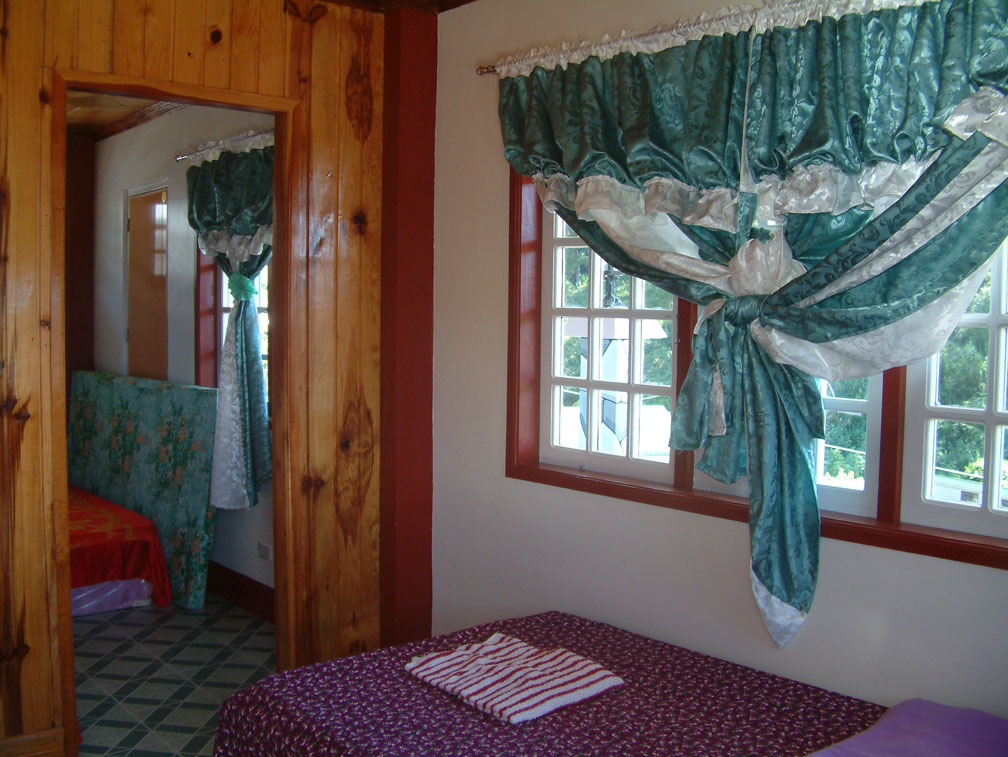
33) George Guest house double bedroom
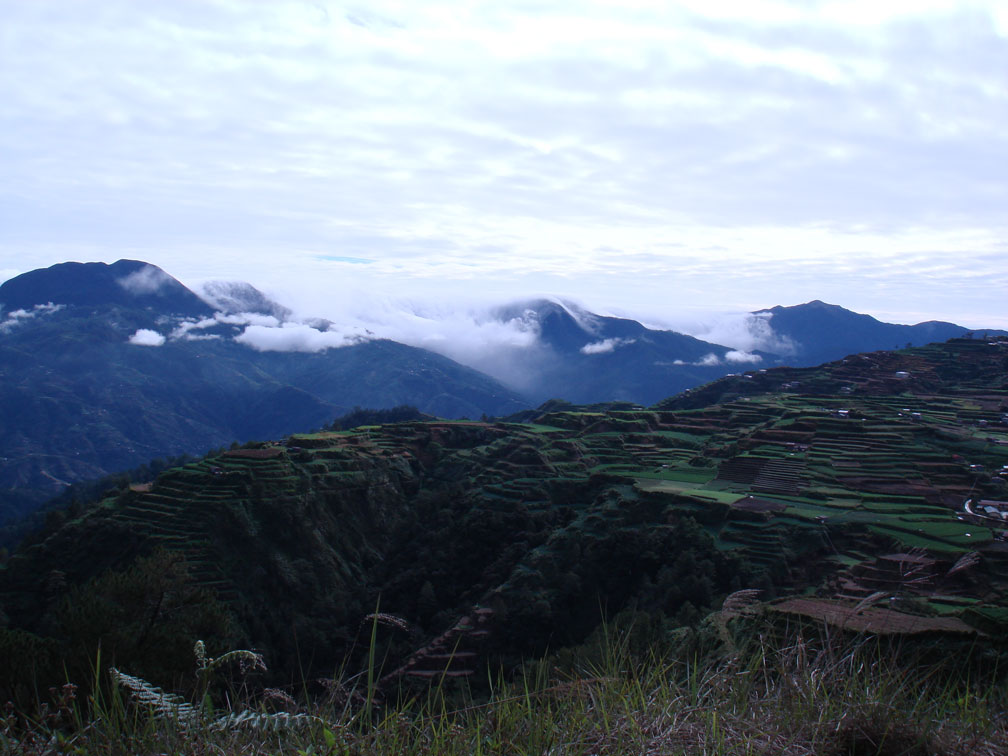
34) View from the Halsema Road between Baguio and Sagada - early morning Jan 2, 2009
Arriving in Sagada
The thing that struck me on my very first entry into Sagada in 1999 was how pretty it is – the abundance of flowers, pleasant architecture, lots of trees, dramatic limestone outcrops and beautiful views down the valley. It stands at 1500 meters above sea level, so enjoys a climate influenced by altitude and freshness. The pines that blanket the surrounding mountains provide a dramatic backdrop for this unique community.
Sagada is a prosperous town comprised of mostly farming families and others associated with agriculture. There are no tricycles here, which is a silent blessing. The quality of education that has been available here has been high, especially with the older generation. Intelligence displays itself as a community trait and the peacefulness and stability of the community is obvious at once. Very good English is widely spoken as the second language, rather than Tagalog. The Episcopal Church (Church of England) was the first to arrive here in 1901and be accepted, which has resulted in a unique spiritual partnership between the traditional ritual observances and the Christian. The community today is predominantly Episcopalian which adds an interesting slant in a country which is about 85% Roman Catholic.
There are many things to do in and around Sagada. If you're like me, you'll love the peace and quiet of the place, its beauty and freshness, the friendliness of the people and the ease with which one can move around. I know that one thing you can do here is rest, read and sleep. You can also walk, trek, go caving, camping, eating etc. One thing you will not find here is a jumping nightlife, unless you bring it with you. If you have your mind set on adventure and packing as much into as short a time as possible, by all means go to the caves and waterfalls, all within a couple of days, but if you have plenty of time, Sagada is one of those exceptional places in the Philippines where you should consider spending some extra time. The accommodation and food can be cheap and there are many beautiful walks to go on.
Until very recently, most of the tourists were adventurous foreign backpackers; today they are predominantly Filipinos coming up from Manila. The Halsema Road, the once tortuous track that links Baguio and Sagada, is almost completely concreted now, making it possible for "city" vehicles to make the journey. As a consequence of increasing Filipino tourist numbers, there has been an upsurge of new accommodation and souvenir shops. Sagada though is a resilient and strong community and it has been able to maintain most of its character in spite of its increased visitor numbers.
I have noticed a few negative effects on Sagada from the increased local tourism. The once good range of t-shirts have been replaced with kitsch "I Survived Sagada" t-shirts. Litter around the area has increased, especially around the caves and in echo valley.
Unfortunately, the center of Sagada is becoming rather ugly. This is because of the recently built local government buildings and the new commercial center. Fortunately, the three or four eyesores only affect a very small area in the town center. I hope these buildings will get a makeover soon and also that future town planners consider aesthetics, lest this beautiful place ends up looking like Baguio.
Accommodation
Guest Houses with Guest Cooking Facilities - Many of the guest houses now have cooking facilities for the use of
their guests. This can reduce your travel costs significantly if you
are on a tight budget, especially if you are part of a large family
as it can be expensive to feed them all on restaurant food for three
meals a day. Note though that if you want to do your own cooking, there
are no maids in Sagada to clean up after you, so you will probably need
to do it all yourself. This includes washing all your pans and dishes. I
have been told that Westerners are generally more domesticated than
Filipinos.
Sagada Home Stay - It is difficult for most other guest houses in Sagada to match this combination
of friendliness, price, newness, cleanliness, location and fantastic views. Upstairs are 6 bedrooms, most with fantastic
views over the Sagada town center. One bedroom has a private bathroom (P700
for the room) and the five other bedrooms share 4 bathrooms between
them. (P250 per person). All bathrooms have hot showers. Downstairs there is the large dining room adjacent to a
well equipped modern kitchen for the use of the guests. Everything you
would need to create a banquette is there if you like - gas stove, toaster
oven, microwave, pots, fry pans etc. A small donation is required to
cover the cost of gas and you will of course need to pay for any consumables
that you have used.
A separate outside cottage is available for P1,500
per night. It has two separate bedrooms, a bathroom and kitchen and
accommodates up to 4 people. I have not seen inside yet because it has been occupied each time I visited.
Sagada Home Stay is located about 200 meters from the bus stop in the
center of town. To get there, walk up the hill past the Log Cabin and
take the lane on your left at the right hand bend in the road. You can't
miss it. If you have
your own car, just continue along the road and it is only about 50 meters
past the first left hand bend. See Sagada Homestay pictures
17 to 22
Unlimited Wi-Fi is available at P40 for a day and there is a computer
for emails and surfing at P40 per hour. Sagada Home Stay has made it to the new 2009 Lonely Planet Guide so
it is quite popular. Bookings require
a 50% non refundable deposit, except during Christmas and holy week
holidays where you need to pay in full. (payment by bank transfer)
Contact Karen - sagadahomestay@yahoo.com
+63 919 702 8380 +63 918 717 3524 +63 919 498 2181
Canaway Resthouse - This is a very cheap and good value guest house. The cost is P200 per person for rooms with private bathroom
and hot showers. Children under ten years old are usually free making this a good choice accommodation for large family groups. There are 5 bedrooms, all with private
bathroom. The rooms are new, clean and look very nice. There are three bedrooms on the second floor that join
onto a small common room. This room has a couch and TV. Two of the rooms have a double bed and the larger room has
2 double beds. There are two rooms on the third floor with private balcony and great views.
Outside on the 3rd floor there is a sink and area that can be used for
cooking if you want to cook your own food upstairs. It is not set up in a way such that you can just cook anytime
you like, but cooking equipment can be
supplied. There is a fully equipped kitchen downstairs that can be used by the guests anytime but you will need to pay a small amount for the use of
the gas.
Canaway Resthouse is right next to George Guest House and across the road from
The Residential Lodge, about 400 meters down the hill from the center
of town. Note that the price is P250 per head for the week of Christmas and Easter.
Call +63 918 291 5063 (0918 291 5063) See Canaway Resthouse pictures 23 to 26.
Log Cabin Guest Room - The room above the Log Cabin Restaurant has always been my first choice in accommodation, but there is only one room. It is one of the most comfortable rooms in town. It has with its own bathroom (very nice), cozy decor, its own private balcony and a partial view down the valley. This would be a lovely place for two people and the cost is P800 per night. Booking is usually required. The kitchen downstairs makes great coffee, but meals must be ordered ahead. Evening meals can be served in your room or on the balcony. For reservations, call Dave Gulian 0920 520 0463.
The Residential Lodge - It
is opposite Canaway and next to Travellers Inn. It looks like an old
place that has had a major face lift, and it does look fairly new inside.
There are14 rooms over three floors. The
best room, which is on the second floor, has a private bathroom and
bath tub and is P250 per person, even for one person. All rooms with private
bathrooms are P250 per person and those with share bathrooms are P200
per person. All bathrooms have hot showers. The common areas are large
and there is an open fire place on the second floor. There are kitchens
for the use of the guest on the lower ground and ground floors. The
lower ground floor is still mostly above ground level as the building
is on the side of a hill. See pictures
27 to 30
Contact Mary Daoas +63 919 672 8744 eldone21@hotmail.com standaoas@yahoo.com .
George Guest House - It is
next to Canaway and you can’t miss it – it is the most colorful and
garish building in town. The interiors are similarly decorated, but
the building is new, so all is clean and fresh. All bedrooms have private
bathrooms. My choice would be one of the two rooms at the top. There
is one room with many beds and costs P200 per person for 6 persons.
One double room has a TV and is P600 for the room. The other double
rooms are P300 for one person and P500 for two. These have hot showers.
The views are lovely. See pictures
31 to 33
For reservations call Dora – 0918 548 0406 or 0920 607 0994 - Email
george.guesthouse@yahoo.com
Travellers Inn - A low cost guest house if prissy decor is not your thing. There is no newness or much luxury here, but sometimes that can be nice. There are 14 rooms on two floors of which 2 have private bathrooms. There is a kitchen on the second floor for the use of the guests. All rooms with private bathrooms are P250 per person and those with share bathrooms are P200 per person. The rooms with share bathrooms are P175 if you stay more than 3 days and P150 if you stay a week or more. Lope (pronounced Lopi) is an interesting character and a very good artist/potter. Downstairs Lope also has a souvenir shop where he sells his pottery. There is a well stocked general store down there also. Travellers Inn is down the road from the Municipal Hall road and just past the Yoghurt House Restaurant on your left. It is also next to The Residential Lodge. For Inn reservations call Lope Bosaing - +63 920 799 2960 or email aprilmay_25@yahoo.com or lopebosaing@yahoo.com.ph .
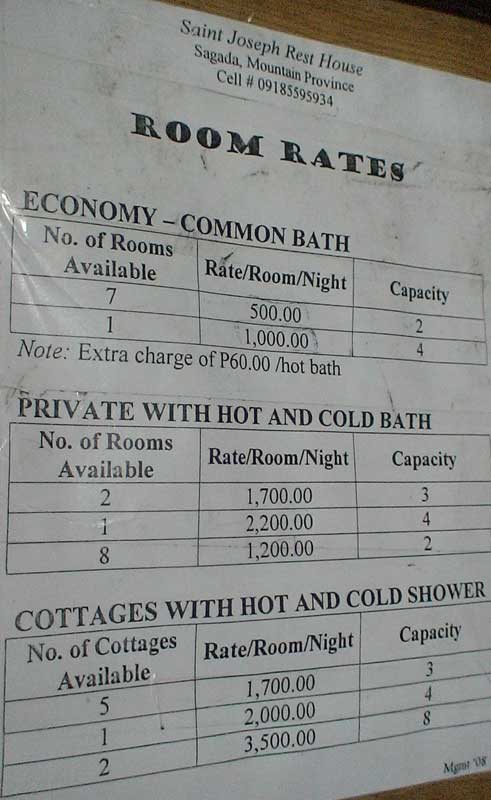
Saint Joseph Rest House -
With 27 rooms and cottages, this is the largest guest house in Sagada.
It is directly behind the bus stop in the center of town so not far
to walk with your bags. Owned by the Episcopalian church, these buildings
were once part of a seminary and the guest house is still managed by
officers of the church. The rooms and cottages are set in beautiful
gardens which is one of its major draw cards. A wide variety of room
types and rates are on offer, from dormitory accommodation to private
cottages. Some of the rooms are good value and others are not, so check
out lots of rooms before deciding on one. The rates are per room and
not per person. The 2 person rooms with share bathroom, without hot
water, starts at P500. Discounts of about 20% are available for
during the months of June through to October.
Note that during the months from January to May end, they often suffer
from water shortages. You may have paid for a room with hot water, only
to find that there is no water at all for your whole stay. I have seen
a few guests get irate, especially when they still have to pay for the
amenities that they did not get. The very large Cafe Saint Joe is also
on the grounds.
To get to Saint Joseph Rest House, take the pathway
from the main road just right of the bus stop,and head towards the white building
at the top. If you are in a car, take the right fork in the road past
Ganduyan and enter St Joseph's from the back car park, where your car
can be left securely overnight. To see a detailed copy of their room
rates, click here.
Contact: Ms. Julia Abad 0928 951 7156
Mapiya-aw Pension - This is a good choice if I was looking for peace and quiet.The garden is lovely. There is that feel about the place though that they don't get many guests. Mapiya-aw Pension is about 250 meters off the main road. You would have passed the sign on the way into town - the sign says it is only 50 meters to the guest house which is not true. The Pension was purpose built, all unpainted wood, cozy and there are 16 rooms. In winter you can use either or both of two fireplaces on request. The upstairs fireplace would be gorgeous with friends during the winter months. Balconies are abundant, which is always nice. Rooms are P250 per person (cold shower). There are two double rooms upstairs with adjoining bath rooms which have hot water. These rooms are P1,250 each. Meals can be prepared for you if you order ahead and the kitchen is available for your own meal preparations for a reasonable fee. The walk into the center of town takes about 15 minutes. For reservations call 0921 390.0560.
Ganduyan Cafe and Inn - They have two buildings about 200 meters apart. Both go by the same name. The second building is still under construction but the completed floor was opened in December 2009.
The old building is in
the center of town and part of the building incorporating the Ganduyan
Museum and Ganduyan Souvenirs. This is one of the very earliest guest
houses in Sagada and still popular at a cost of P200 per night with
share bathroom. The rooms with private bathroom and hot shower are P600
and accommodates 2 people - maybe a little expensive. Downstairs is
a small cafe where you can have a good breakfast of bacon, eggs and
brewed coffee.
The accommodation in the new building (Ganduyan 2) is very good value for couples. There are currently 7 rooms, all with private, modern bathrooms. Some have balconies with great views over the town so check out all the rooms before you choose. The decor is rather Spartan (Sagadan), and a little bit of interior design would make some of these rooms near the best value in town. All rooms are P600. Contact Marina 09212738097
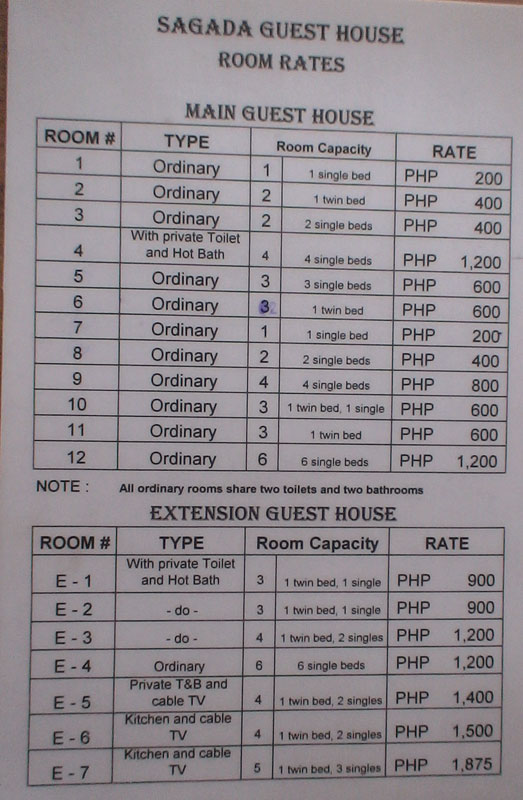
Sagada Guest House - It is right in the center of town just behind the new ghastly municipal building under construction. Normal rates are p150 single, p300 double, share bath. P600 for 3 beds, bathroom with hot water. Rooms go up in elevation and price to p800, p1000 and p1200, with kitchen, bathroom with hot water and one with cable TV. These rooms can accommodate 3, 4 or 5 persons. Rooms at the back can be noisy in the mornings with roosters, dogs and pigs giving it their best. There is a rooftop available for viewing the vistas. To see a picture of their room rates, click here. For reservations, speak to Manang Veron, 0919 300 2763.
The Green House - This is an old establishment, inexpensive, no class, and popular with young backpackers. There are 6 very basic bedrooms with 3 share bathrooms. The two single rooms are P200 each. The two double bed rooms are P300 each and the 2 rooms with 2 double beds are P400 each. Guests can cook there own food. The green house is located on the right, about 50 meters down the hill past the Municipal Hall, behind the Persimoon Cafe (a popular drinking place). Phone 09184036571.
Grandma's Yellow House Inn and Cafe - They have 4 bedrooms with share bathroom and one self contained cottage with two bedrooms. The rate is P250 per head. Room 1 on the top floor seems like the best value and has good views out of its two windows. The smaller bedrooms are not as nice. The top floor bedrooms have an adjoining small lounge which could be very nice if your group upstairs are the only guests. The cottage had guests at the time I was there but it does not look too good from the outside, especially with its ghastly colored walls. The outside area where you can sit around the fire looks like something you would see in a squatter's camp. Grandma's Yellow House is a mixed bag so check it out for yourself. It is located right opposite the Yoghurt House. See Grandmas Yellow House pictures 36 to 39
Rock Inn - It is about a 40
minute walk out of town and people who stay there usually have their
own car. The junction to Rock Inn is on the right before you get to Sagada, and then it is about a kilometer to the guest house from there. It is
set in an orange orchard, so the fresh juice is a must. This facility,
which is relatively new, can accommodate large groups and would be useful
as a retreat or seminar venue. The dining room is very beautiful architecturally,
but I can't speak for the food because I have not eaten there for a
long time. The attic room can accommodate 18 people at P250 per head.
The bunk rooms start at P450 per person making it very expensive in
comparison to other Sagada accommodation.
Their most popular rooms are the higher end rooms of which there are 6. The Four executive rooms have two queen sized beds and cost P1,800 a night. The two mini executive rooms are P1,500 a night. The whole ground floor accommodation, consisting of 3 bedrooms, is another choice,. The cost is P4,100 per night. As Rock Inn is a bit far out of town, you may miss out on the cultural experience of Sagada town if your stay is only a night or two. They also have a shuttle that can accommodate 8 people and a jeepney that can accommodate 20. Tel Bang Omengan +63 920 909 5899
Restaurants
General - Restaurant food is reasonably priced in Sagada and a typical breakfast or main course will cost you about P130, but there are cheaper cafes. There is no restaurant that has their act completely together though, meaning, the right combination of value for money, ambience, good/friendly service and quality of the meal, but, in comparison to most other places in the Philippines, Sagada will feel like food heaven. If you are a Filipino from Manila, don't expect Manila standard service.
Log Cabin Buffet - The buffet
on Saturday night at the log cabin is not to be missed. For P350 you
get a buffet of many courses prepared by a local French chef. Some of
the best meals I have ever had in the Philippines were eaten here. The
service suffers a bit during the peak season so you may need to be patient,
but there is hope that young Jeffery will be up to speed before the
next peak season.
It is virtually impossible to get a seat for the buffet without booking
early, which sometimes means days ahead. You must pay a P100 deposit
per person with your booking. If you don't, you should assume that you
are not booked in, regardless of arrangements made over the phone.
Yoghurt House - is a short walk down the hill from the town center. The restaurant has two stories and the top story has a narrow verandah with seating where one can enjoy the view and one's meal at the same time. The food is consistently good and it is especially popular with foreigners. Yoghurt dishes are, of course, a specialty, served with fruits, granola, pancakes, or mixed as a salad dressing for fresh local vegetables. Pasta, salads, vegetarian meals are all available here. See picture 5
Co-op Canteen - is just inside the mission gates as you walk towards the Episcopalian Church. They serve fabulous lemon meringue pie, banana cake or carrot cake. The coffee is good too, or you can have mountain tea. Meals are not served here. Almost all of the customers are locals so the prices are very low.
Strawberry Fast Food - Opposite the Log Cabin - A tiny no-frills restaurant which serves two of the simple but classic Filipino dishes, Arozcaldo, a chicken and rice stew which is a breakfast dish, and Mami, which is a chicken or pork noodle soup. Both dishes are about P45.
Masferres - A large restaurant in the center of town - A favorite with Filipinos from Manila as it serves up the dishes they like and are familiar with - the food I like the least. The Masferres' photographs on the wall are a must to see even if you don't eat at the restaurant.
Log Cabin - It is open every night during the peak season and some nights during the rest of the year, depending on the number of guests. Meals should be booked and ordered before 2 in the afternoon during the low season. The menu is broad and offers European influenced meals, vegetables and salads, as well as the usual ‘adobo’ choices. If you want to make sure you get the best of possible meals, discuss your preferences with Janice if she is around. Wine is available. During the cold months there is always a nice fire to sit by and the ambience is that of a log cabin.
Cafe Saint Joe - is in the same grounds as Saint Joseph Rest House - beautiful setting, lovely verandah upstairs, outdoor seating, recently refurbished. The menu on offer is extensive, Filipino, and generally agreed to be good. Generous servings of fresh vegetables can be expected. Bread, sweet and savory, is baked by the local chef and can be bought by the loaf. This cafe is open all day.
Shamrock - It is in the center of town, downstairs at the market, next to the Rural Bank. This was once the life of Sagada until it was transferred to its new position because of the development of the market building. Recent improvements to the place have brightened up the atmosphere and this may have the tourists going back there again. Basic meals can be prepared or you can just have a cold beer.
Ganduyan Inn - is in the heart of town and makes a good cup of brewed coffee. Bacon and eggs, bacon sandwiches, longanisa etc (breakfast food generally) is available here. No lunches or dinners are served, but breakfast is available all day.
Bana's Cafe - and Restaurant is situated under Traveler's Inn, just down the hill from the Yoghurt house. It is a pleasant cafe/coffee shop with both indoor and outdoor seating. If you are tired of Nescafe and 3 in 1, this place is a welcome relief - it is the only place in town serving espresso coffee. A variety of coffee styles are available, brewed, espresso or iced. Try one of their famous civet coffees, made from coffee beans excreted by a civet.
Persimoon Cafe - popular at night as the hangout for locals and backpacking tourists.
Cuisina Igorota - is almost unknown by tourists and serves typical Igorot food. It is best at lunchtime. You will find it behind St Theodore's Hospital. Just go inside the hospital and ask. A meal costs P70 and could be pork stew, bones soup, pork chop, sinigang, adobo, chicken etc, all served with generous quantities of local vegetables. Coffee or tea isP10. There is no glamour here.
Cooking Your Own Meals - With
the abundance of guest houses and home stays with kitchens for the use
of the guests, consider cooking some of your own meals, especially if
you are staying for a while. Freshly butchered pork and frozen
or live chicken is available daily so it is not difficult to cook up
a great meal for yourself, or dream up a banquet even. Delicious bread
loaves baked by the local French Chef are available daily from St. Jo's
Restaurant and other places. Etag is the name of the local bacon which
is salted then smoked. Fabulous for soups and stews. There are at times
smoked hams available also - to find out you need to ask the right person
and that is probably Joanne at Cafe Saint Joe.
The market is open every day and cheap fresh vegetables are always available.
These include, cabbages, carrots, a large variety of beans etc,
Oranges – September to May
Blueberries – end of summer, April to June
Wild mushrooms, 12 varieties – first 1 to 2 months of rain, May to July
Strawberries – end of rainy season, October to December
Local honey - Look for the square bottle where the honey is light colored
and runny - not always available.
Saturday Market
In the heart of town, popularly known in the Philippines
as ‘poblacion’, you will find the weekly market. From first light till
about 10.00am the local farmers, producers and vendors sell their fruits
and vegetables fresh from the farm. Other foods come from the surrounding
provinces. In citrus season the oranges are fabulous and over the Christmas
months good tasting strawberries are abundant. The local honey which
is sold in large bottles on a Saturday is magnificent – runny and aromatic
from the flowers. Feel free to taste the various delicacies on offer.
I have been eating the food here for years and some of it is really
nice. I especially like the combination of freshly cooked warm sweet
corn (off the husk in separate nodules) seasoned with fresh coconut,
a little sugar and condensed milk. A filling and satisfying breakfast.
Other delicacies include sticky rice cakes cooked in oil with sugar
and threaded on skewers, sesame balls, banana cake, boiled peanuts.
Most confections have sticky rice or camote (sweet potato) as their
base. Of course there is the compulsory arozcaldo or pancit, found
in any market across the land. I know there is often a fear associated
with eating food from street stalls, but I can assure you I have never
had an incident of upset stomach from any meal eaten in Sagada, and
that includes the market.
Don’t forget to have a look at the wag-wag (second hand clothes) dealers
who set up on the street leading from the market. I have bought some
of my best clothes from these second hand clothes dealers. You may be
surprised. Most of these clothes come from the US and Europe, many are
brand new, and there are often famous brand names amongst them. Simple
garments are typically P50 each. (see pictures 1 and 2)
Sagada Attractions
Two Guides' Associations -
There used to be one only but due to differences in opinion, they have
split into two. The original guides' association is at the municipal
hall in the center of town and the newer one is just down the road past
the Yogurt House. Their prices are about the same and all have only
certified and registered guides. Part of their training involves rescue
and first aid training. The original association is made up of the more
experienced and older guides, where the new association has younger
guides. If customer satisfaction is the measure of which is the better
association, I have heard that there is no difference. I have been camping
with some of the older guides though, and being older, they have many
more interesting stories to tell. So take your pick. The guides work
on a rotation system that assures all of them equal work.
It is easy to lose your way, so if your schedule is tight, best take
a guide. They are not expensive.
Limestone caves - Many people come to Sagada to visit the caves. You cannot go to the limestone caves without a guide. All the guides are equipped with hurricane lamps, so that the cave is well lit while you are underground. The prices are fixed, as are the number of tourists per guide.
The Burial Cave - is accessible to most people and can be visited without a guide during off-peak times. The climb down is steep towards the end and probably difficult for the elderly or very young children. This is a fascinating place, eerie and dramatic. Please keep in mind that this place is sacred to the locals, so leave no garbage, cigarette butts etc and do not touch the coffins or try to open them. The cave is marked on the local tourist map (available in guest houses and souvenir shops in town). The walk down the hill is gorgeous. Don’t hesitate to ask directions from the locals if you are unsure of the way.
Small Falls – Not far from town, this attraction is a disappointment to many as it is small. Leaping from the top of the falls is a favorite pastime for many of the local children. Not difficult to find, just ask for directions.
The Big waterfall - Bomod-ok – Unfortunately you need to pay for a guide to go down to the waterfall and that will cost an exorbitant P500. This idea was introduced late in 2011. For a single tourist this is just too much. You certainly don't need a guide to find the waterfall. I think it's poorly thought out opportunism on the part of the community. I have received some angry correspondence from people about this and it's their sentiment that I am expressing here. What if every place in the Philippines that had a waterfall did this?
To get there, take the morning jeepney to Banga-an (pronounced Bunga –un) and ask
to be let off at the big falls. The jeep leaves from the center of Sagada
and the guides association can tell you the times. Find out about the
times for return trips too as you will not want to be walking back to
Sagada. The walk down the endless stairs is fabulous, the scenery divine.
The falls themselves, once you reach them (1 – 1 ½ hours) are predictably
thunderous and dramatic. Swim in the freezing waters if you like that
sort of thing, but get advice about the conditions from a guide first.
Note that a 17 year old girl from Manila drowned there in 2008. Although
there were family and other people around, some who jumped in to rescue
her, they were not able to save her in time. We have been given two
accounts of the story, one that she got her foot wedged between rocks,
and the other was that she was caught in a whirlpool.
The climb back to the road is strenuous. The steps seem to never end.
Allow a couple of hours – if unfit, add another hour.
Janet Eason's art lessons in Sagada - Learning to draw or paint with Australian artist, Janet Eason, may be a fabulous focus for your holiday in Sagada. The lessons are cheap, especially with larger groups. Click here for more information
Ganduyan Museum - Formerly opened in 1984 to 86, the treasures gathered over many years are once again on display in a newly opened small museum just beside Ganduyan Inn. Since the early 70’s, Christina Aben has been collecting antiques, trade beads and artifacts from the Cordillera region of the Philippines. Antique basketry, weapons, farm tools, beads, jars, wooden items and textiles can be seen here. Each display offers an insight into the rich culture of the Cordillera Igorots. Ask if Christina can show you around. Her stories will enrich your experience of the place. If not Christina, then one of her children will always be there to explain the history and significance of the items on display. Entrance fee is P25 each (see pictures on this page)
Walking in Sagada
Walking is one of the great pleasures here. There are no tricycles in Sagada so just strolling around town can be relaxing and picturesque. With only 3 roads it is difficult to get lost and friendly locals are always happy to help if asked.
The pathways and Dap-ays – behind the main roads are a network of narrow pathways, mostly cemented, that connect the houses and villages that make up the municipality of Sagada. To get a real sense of the place you can follow these and discover the various dap-ays (meeting places and sites for rituals, such as the bugnas) as well as the ambiance of suburban life. The dogs will bark like hell because you will be a stranger in their midst and some may look fierce, but these animals will not attack. A dog that attacks a human is dead meat. You cannot get lost following the paths as the main roads are never far away. These walks are pretty, accessible and easy. You will be out in the sun so take your umbrella for shade.
Pathway to Datil – On the road behind Saint Joseph Rest House car park there is a pathway leading off to the right which will take you through the gardens and rice fields behind the town. This is a lovely walk. A couple of hours at most would be required for a casual stroll, depending on how far you want to follow the path (which eventually does run out). See picture 4
Mt Ampacao – Lake Danum – Banga-an ridge walk – There are two walks to take, one from Lake Danum to Mt Ampacao, the other from Banga-an to Lake Danum. Each one follows the ridge line of the mountain range and offers some spectacular panoramic views as well as the usual pleasures associated with walking in natural forest and grassland. Take lunch and water, sun and rain protection and a guide. These walks are difficult without a local guide as many paths thread through the mountains and getting lost would be a real possibility. Both walks are well worth taking if you are in town for a while. I have done both, so being super fit is not required – it just takes a little longer. The guides are surrounded by this beauty all of the time, so do insist on taking your time, stopping for lunch or to admire the view, otherwise your guide may race you through it all in a couple of hours and that would be a pity. See pictures 10 to 12
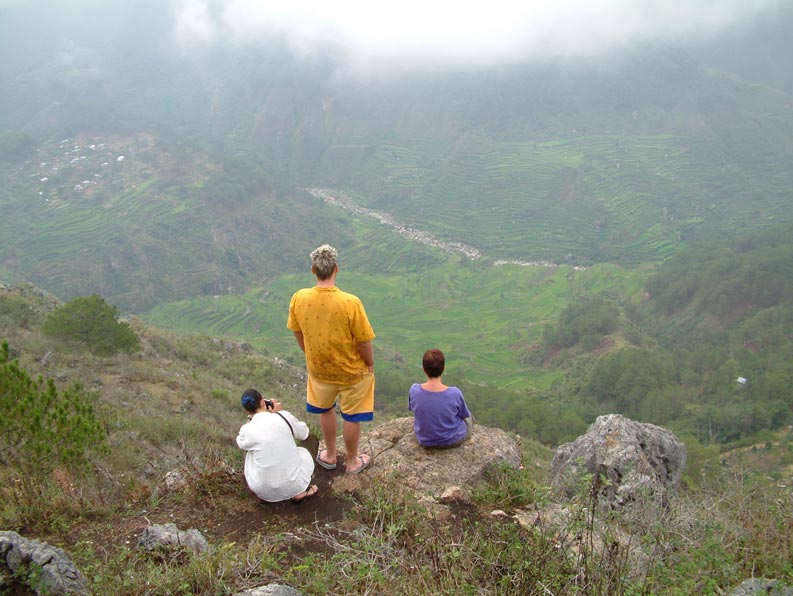
Kiltepan – On your way into town you will have passed the sign to Mapiya-aw Guest House. From that side road there is a path on the right (that I haven’t taken) leading to the top of the hill called Kiltepan. Locals can show you this, or ask at the guest house further up the road if you have missed it. When you reach the top, pass over the grassy open space, heading to your left. There you will find a path to follow for just 20 meters or so. To your left are little paths leading down to some rocks, where you can sit and ooo-ahhh at the spectacular scenery and endless mountain panorama. This is a favorite place for me to bring guests in Sagada. it's a camera heaven. See picture 3
Echo Valley - It is best to take a guide although not necessary. Go in the morning before it gets too hot. Give yourself a few hours to wander, look at hanging coffins, sit by the river, get sort-of lost, walk through the tunnel of the underground river (Take a big torch with good batteries – the caverns are vast). There are lots of paths in echo valley and easy to take the wrong turn. Just remember there are 3 caves – one is dry, the second is where the river enters the underground caverns and can be entered only for a short distance, the third is where the river flows under Sagada to the other side of the hill . I found a way back into town by retracing our steps from the last cave for about 50 meters, then followed a track leading up the hill on our right. We came out behind the Caltex gas station on the main road. You can pass through the underground river and find a path on the other side which takes you back to town, but be prepared to wade through quite deep water at the far end and be careful of the very slippery rocks you have to climb to get out – it is not easy, but we have done it. DO NOT attempt to follow the underground river after heavy rains. Two people drowned in this cave in 2004 during a typhoon.
Trekking, Camping and Staying for a While
Buasao - ( pronounced bwa-sow ) A place I have camped often. It is a 5 ½ hour walk for me from Banga-an (pronounced bunga-un ), carrying everything I need for 3 days, including shelter. The path passes through pockets of old mossy forest, crosses streams and a river, climbs and ends on a flat patch at the center of which is a curious stone structure. Next to that we make our camp. Many wonderful days and nights have been spent around the fire at Buasao. Adventurers can set off from there on further explorations and day hikes. A local guide is essential and I would recommend Allen Bugnosen. There are many more destinations and it is possible to trek for a week or more without leaving the forest. See my article on Buasao.
Mountain Biking - This is not my thing but enthusiasts come from all over to play in the mountains around here. If this is something you would like to explore, call Steve (+63 919 698 8361). He is the local expert and may be happy to have you join him on some rides.
Besao - (pronounced bess-ow) is a relatively small town 7 km away over the mountains. On the way you will pass on your left the turnoff to Lake Danum, a pond of absolutely no interest but a favorite picnic spot for the locals. I always enjoyed these short exploratory trips as the roads wind through lovely mountain forest country and cultivated fields. Besao is well known for its sunsets, though I have not been there at the right time to enjoy it. Dirt road most of the way.
Banga-an and Aguid - are two towns to drive to on the second of three roads out of town, and you will pass the steps down to the big waterfall on the way. Once again, it is not far to drive, but the scenery is nice. Concrete road to Banga-an.
Suyo - is downhill all the way and about 6km from Sagada. Take the road past the municipal hall and take the first left turn, maybe 1km down. Follow it all the way down to Suyo. You will pass lovely views of the rice and vegetable fields on your drive, walk or cycle through pine forests. A walk through the fields of Suyo is a lovely thing to do if it is not too hot - don't do it at midday. See picture 9
Driving Around Sagada (or Walking or Mountain Biking)
Kiltepan – There is a road going up to Kiltepan which can be found on the left, a couple of km from Sagada on the way to Bontoc. There is a concrete shelter opposite the junction. When forks appear in the road take the one most used. If it comes to a house, it was the wrong one. When you get to the clearing at the top, park. Walk along the path that leads from the left corner. 20 meters to your left is a breathtaking view. Find a rock to sit on and enjoy. Early mornings are gorgeous, as are sunsets and the ‘golden hour’. The last, steep, uphill stretches of the road can be slippery.
Mount Ampacao – You need a 4 wheel drive and experienced driver to get up there, but if you can make it is well worth the trip. The peak of Mt Ampacao is the site of a cell phone tower, eerily lit at night, clearly visible in Sagada. To reach the road you drive downhill toward Ambasing. Drive cautiously in Sagada – children playing, dogs, chickens, jeeps could be around any bend. When you reach the Ambasing Elementary School on your right, take the road that runs alongside it and head uphill. Keep going up, closing gates behind you, until you reach the grassy clearing at the top. The actual peak and tower are higher still – not accessible by car. Find a good spot to park where you can see the view back towards Sagada. You may need to walk a little around the hillside to get the full impact of the view, in which case you should turn on the car alarm. On one of my visits mischievous boys were playing around the car and fortunately set off the alarm. Your other choice is to take someone who is prepared to stay with the car, like a lad from the guest house or a guide.
Things to buy in Sagada - Pasalubong
General - There are lots of little souvenir shops selling low cost trinkets and local products to take back as pasalubong to Manila. (Filipino's have to take back small gifts, called pasalubong, for family and friends when they have been on a holiday, or face being called "kuripot", which means "a tight one".)
Ganduyan Souvenirs - Commissions work from Kalinga - beaded bags and purses – very nice – also, the fantastic headgear of the head-hunter, made by an old man who has always made these ritual symbols of the warrior’s success – expensive, large, but extraordinary! I have one but am not entitle to wear it until I have taken a human head. Traditional basketry has always been a favorite of mine and I have found Ganduyan to be the best suppliers, from where I have bought many. Their weavers copy the traditional designs and their work is very fine. The basket weavers, however, are getting old and the rattan baskets are becoming very scarce and may shortly disappear altogether. Prices in this shop are fixed.
Sagada Weavers - is famous for its sturdy locally woven cloth which is made into backpacks, overnight bags, smaller bags and purses, wallets – all kinds of things. A local industry worth supporting. Many other shops now sell locally woven cloth and bags, backpack, wallets etc
Pottery - There are locals and foreigners who produce fine pottery from the local clay. It is OK to visit their workshop which is about 1.3km from the center of town on the road to Besao. It is on the right and a little obscured. Lovely views on this walk. Even if no one is there it is OK to look around. Please, please do not touch the work. There is a small shop on site and very nice pottery is on sale if someone is there. Also have a look at the shop under Travellers Inn where Lope Bosaing displays and sell his pottery. He is a very keen and fine potter and would be able to give some good insights into what to look for and to buy.
Masferre’s - ‘A Tribute to the Philippine Cordillera’ - is a book of black and white photos taken by Masferre, a resident of this town during the late 1930’s, 40’s and 50’s. The images are beautiful and have captured the people of this region in a way that is no longer available to the photographer. Have a look at the book – a wonderful souvenir of this unique region. Masferre’s Restaurant displays many of his pictures on the walls.
Available generally - Arabica
coffee, locally grown and roasted, available as beans or pre-ground.
Mountain Tea, harvested from forest trees, leaves are dried whole and
sold by the bag. An aromatic brew, caffeine free, very nice boiled with
lemon grass or on its own.
Rice and fruit wines – guava, lemon, pineapple, mulberry, strawberry,
rice, persimmon, anything really can be made into wine here. Low alcohol
content and sweet.
Important Dates to Keep in Mind
Any public holiday or vacation in the Philippines is met with a mass exodus from Manila. This means guest houses are full, restaurants are full, the caves are full, the roads are choked etc etc. New Year, Easter, All Saints day, Labor Day – stay away. School and university holidays can present problems, but students most often choose the cheapest options.
The town fiesta - occurs on the first weekend of February, plus the Thursday and Friday before. People from all of the surrounding villages and towns come to trade, to buy and to enjoy this opportunity to mix and mingle. Vendors descend in their hundreds. The Fiesta usually opens with a cultural presentation, which always involves gonging and dancing. Games are played, plus the fabulous tug-o-war between men of different villages. Women usually get a chance in the open category. For those who enjoy the culture of the fiesta in the Philippines and don’t mind the crowds, this can be an interesting time in Sagada.
Halsema Highway Road Damage Due to Recent Typhoons
Update August 3, 2011 - The Halsema Highway, which links Sagada to Baguio, has been closed over the the last week and reopened today. The recent typhoon caused many landslides. There was one bus was lost down the slopes but there were no passengers in it they all got out before the driver tried to get his vehicle over a damaged stretch of road. The diver was able to jump out of the vehicle in time.
Update October 26, 2010 - The worst place at the moment is near Sabangan where the most recent typhoon passed over. The bus services are operating but passengers need to walk about half a kilometer to transfer to a waiting bus on the other side of the landslide. This involves crossing a swing bridge and walking through rice paddies with your bags. Some locals will serve as porters and cary your bags for a small fee. The patch-up repairs to the 2009 typhoon damage at the Baguio end of the Halsema are not expected to hold up and the highway could soon be closed off for a long time. The road is unstable and there are some very scary parts along the way. The best and safest route to Sagada is via Banaue. The road from Banaue to Sagada suffered very little damage from the 2009 typhoons, and it was open again the next day. If you are a foreign tourist, maybe leave Baguio off your itinerary and go from Manila to Sagada via Banaue and then go back the same way.
Getting to Sagada
There are no airports anywhere near Sagada so bus and private vehicle are the only transport options. There are two routes from Manila, one through Baguio and another through Banaue. Most foreign tourists will take one route to Sagada and the other route back. The traveling time from Manila to Sagada is roughly 12 hours, whichever way you go. For the Baguio route, The first 6 hours will get you to Baguio, and there are luxury coaches that also ply this route - Victory Liner is the best choice. The second part of the journey will take you along the Halsema Highway with stunning vistas almost all of the way to Sagada as the road winds over a mountain range reaching a maximum of 7,000ft. For the Banaue route, the traveling time to Banaue is about 9 hours and it is another 3 hours on to Sagada.
Hire Van - Unquestionably, the best way to get to Sagada is by hire van, especially for those who would or could not go by public transport - e.g. a little frail, traveling with a baby, the public transport is out of your comfort zone, etc. There are so many beautiful places where you would want to stop and go "wow", which you can't do by bus. Going by van leaves two options, one is to get picked up at the airport and go all the way to Sagada by van. The other is to go by bus to Baguio or Banaue and take the van from there. If hereto get the costs and more details.
From Manila to Baguio and onto Sagada by Bus - When going to Sagada, I always catch a Victory Liner bus in Manila at about 11pm, which gets me into Baguio at about 4am. I prefer the deluxe coach which has onboard toilet and does not stop along the way. This way I get some sleep. They have buses going every half hour from a number of locations in Manila, but only several are deluxe. The closest Victory Liner bus terminal to the airport is at Pasay. Regular bus is P450, deluxe is P700.
From the Victory Liner terminal in Baguio catch a taxi to the GL Liner terminal - just tell the taxi driver you are going to Sagada, they all know which terminal to take you to. Taxi is about P50. You can get some coffee and breakfast at the GL liner terminal while you wait for the first bus to Sagada.
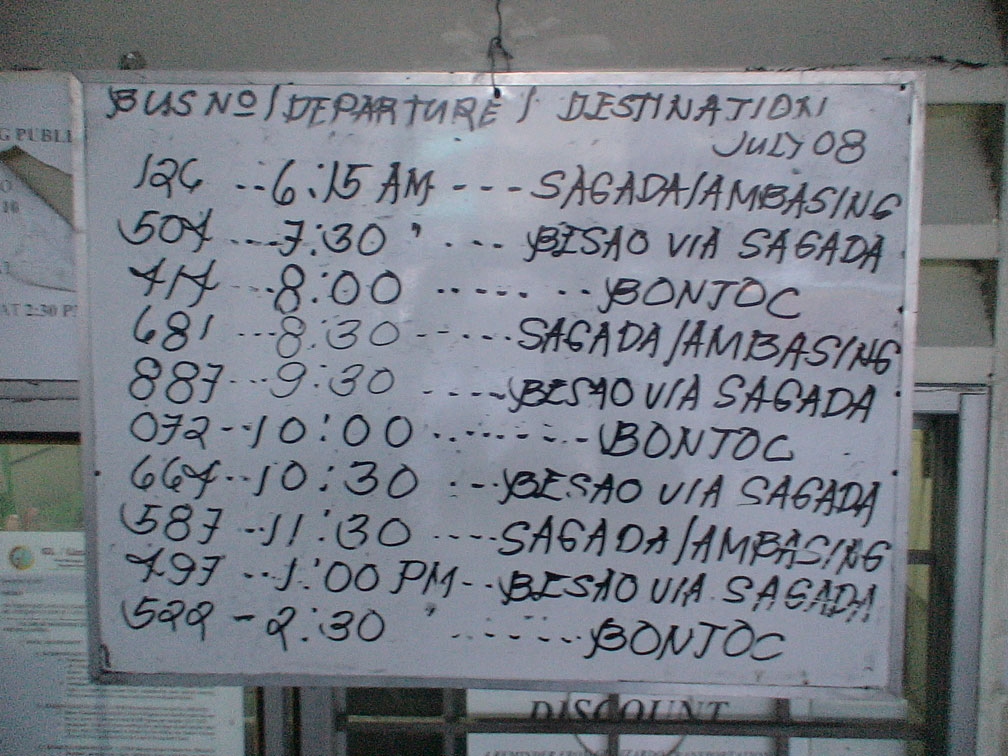
The first GL liner bus leaves at 6:15am and the last at 1pm. Here is a picture of the schedule, which includes buses to Bontoc. The trip typically takes 6 hours and the best views are on the right hand side of the bus (left hand side going back to Baguio). There are two toilet stops on the way and the stop closest to Baguio is also an eating stop. Going back to Baguio, the first bus leaves Sagada at 5am then 7am and several more usually, with the last being at 1pm. The Bus has neither aircon nor luxury. See picture view from the Halsema Highway.
Bontoc to Sagada - Regular
jeepneys to Sagada leave from a side street just off the main road in
Bontoc. Anyone you asked could tell you where. The first jeep leaves
at 8.30 am, then on a regular basis after that until 5.00 pm. It leaves
when it is full. The trip takes 45 minutes. If you are very lucky you
may find the front seat unoccupied (indicated by no bag or jacket on
the seat). Leave a bag of some kind if you want to wait elsewhere, as
this will reserve the two best seats for enjoying the fabulous views
between Bontoc and Sagada. In the back section, of course, you have
lots of company and sleeping children, but the views are obscured by
small windows and fellow passengers. The other alternative is the roof.
This is a popular and sometimes necessary mode of travel and I would
guess the best way to get the full impact of the terrain and its beauty.
Beware the hot dry weather! You will most definitely eat a lot of dust
on the way up the hill if you sit on the roof in summer. Parts of the
road are still a very rough ride.
Jeepneys leave regularly for Bontoc, where you can take other transport
on to Banaue or Manila. Last jeep leaves at 1.00 PM. If you have the
time, spend a few days in Tinglayan (via Bontoc).
Other Information
Curfew - Sagada has observed a 9.00pm curfew for decades. It was first implemented when there was some armed conflict during the Marcos era. When the conflict ended, the community decided to keep the curfew in place as a way of controlling public drunkenness – a problem in many other towns. Sagada is a farming community and most people are up before dawn to go to the fields, so closing down at 9.00pm makes a lot of sense. The stores close, the restaurants stop serving food and the streets become quiet. People can do whatever they like within the walls of their homes and most restaurants will remain open until you leave and not pressure you to do so. There is no problem about being out after 9.00 or past midnight. It is just very quiet. "Curfew" can conjure up all sorts of images and often tourists are troubled by it.
Noisy Drunks - If you look
like a group of people who want to make a lot of noise and drink soju,
gin or anything else until the early hours of the morning, don't be
surprised if all of the accommodation is booked out, even in the low
tourist season. You may even find that although you booked, there appears
to be no record of the booking. People come to Sagada to enjoy the peace
and tranquility, so better choose a different destination than Sagada
and try your luck there. To you this may be a tourist town but for 99%
of the people living in Sagada, this is a farming community.
| Cell Phone | Smart and Globe (also SmartBro Wi-Fi) |
| Internet Cafe/Wi-Fi | Internet cafe's everywhere - typically P40 per hour - many cafe's and guest houses have free or low cost Wi-Fi. |
| Electricity | 24 hours - sometimes power is lost during typhoons and may be out for many days. Except for Masferres and the hospital, there is no backup power anywhere. |
| Banks or money changers | Only one small bank, the "Rural Bank of Sagada" - will change US$ but the rate will not be good. Best to do it in Manila or elsewhere. There is a lone MEGALINK automated teller machine inside the Rural Bank of Sagada with access during banking hours only - open Tuesday to Saturday. It dispenses a maximum of P5000 per transaction at a cost of P35 or P55. Note that it will not accept any foreign credit cards. |
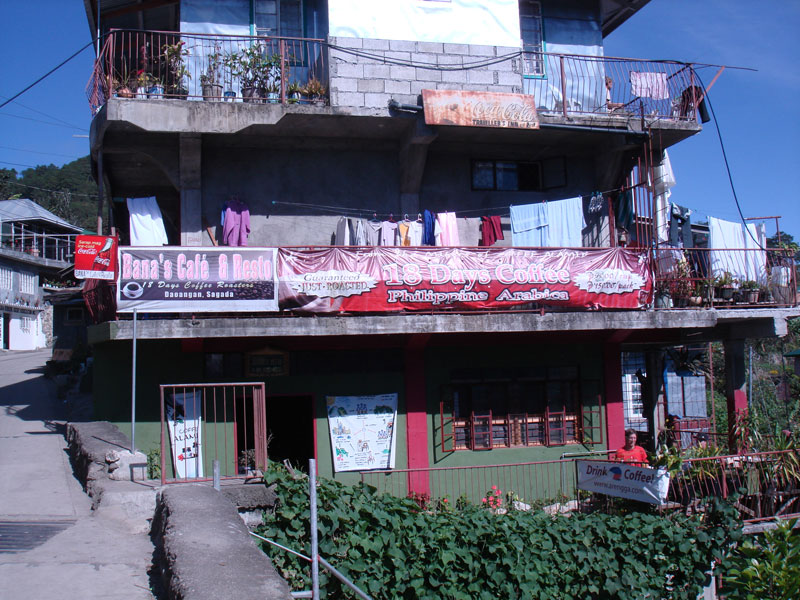
35) Travellers Inn - top floor
Bana's Café - bottom floor
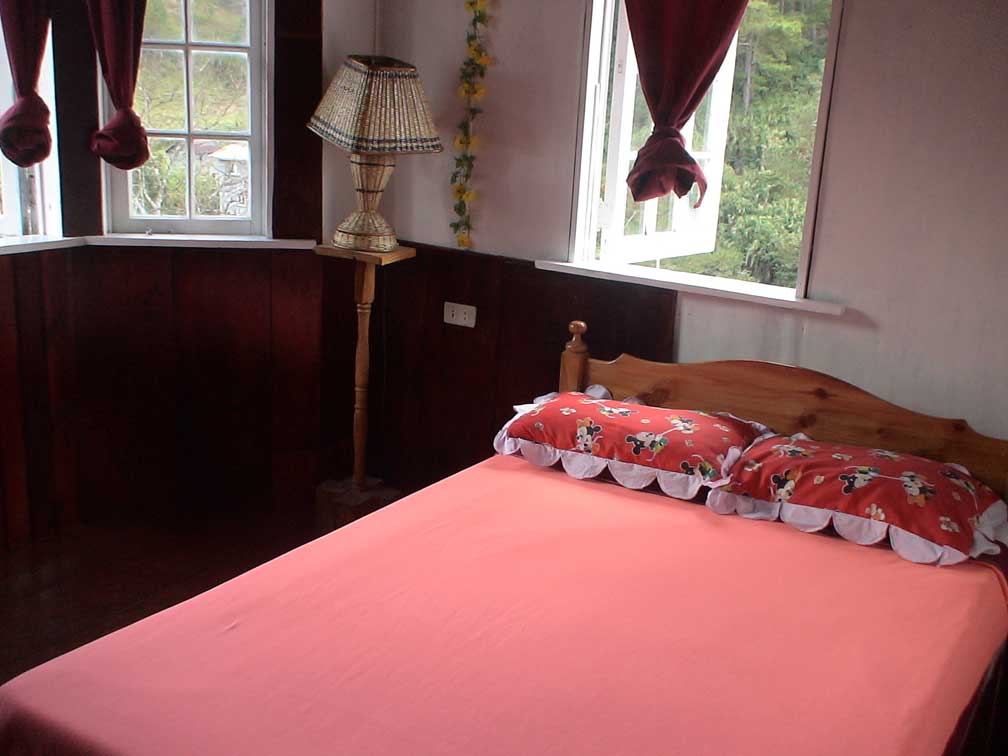
36) Grandma's Yellow House - Bedroom 1

37) Grandma's Yellow House - lounge room
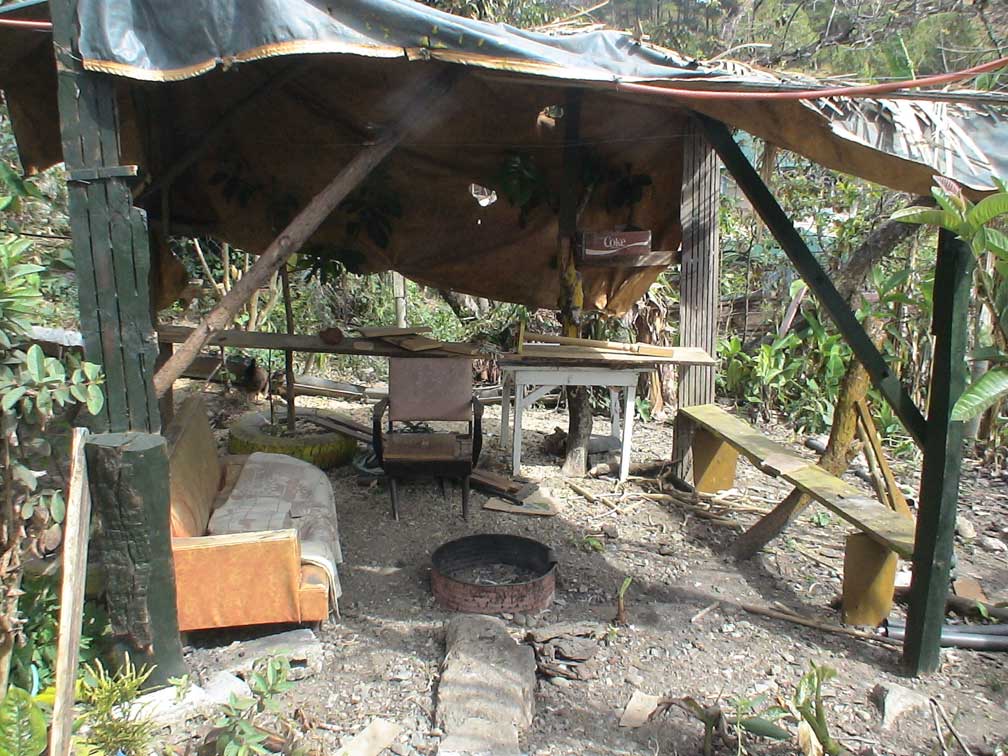
38) Seating area outside Grandma's Yellow House
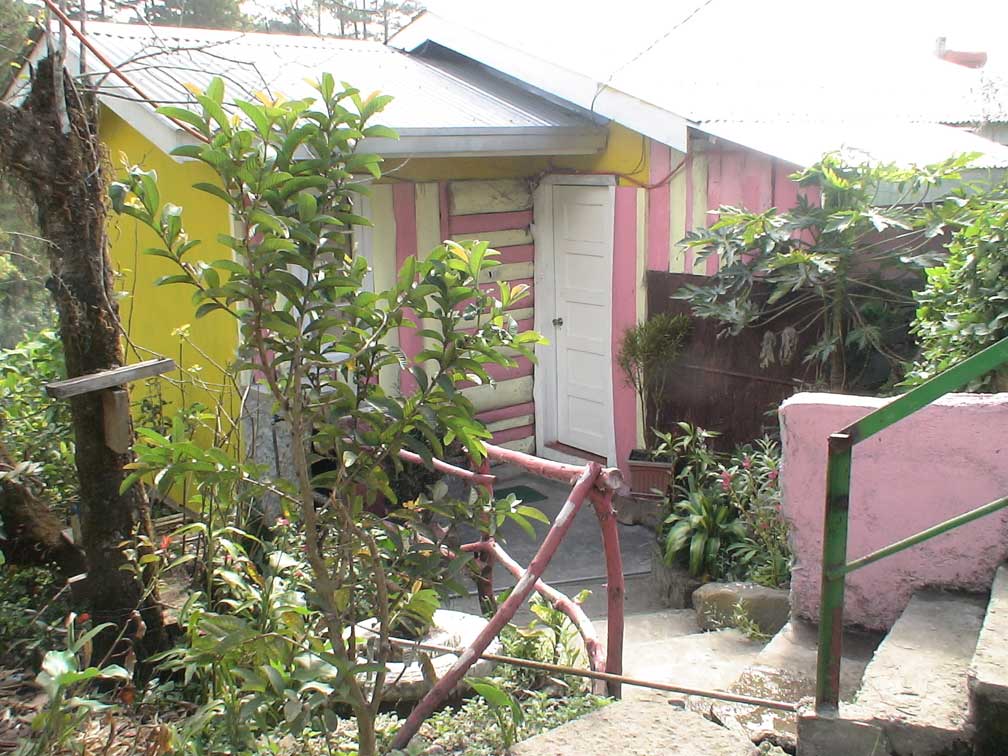
39) Grandma's Yellow House - 2 Bedroom cottage
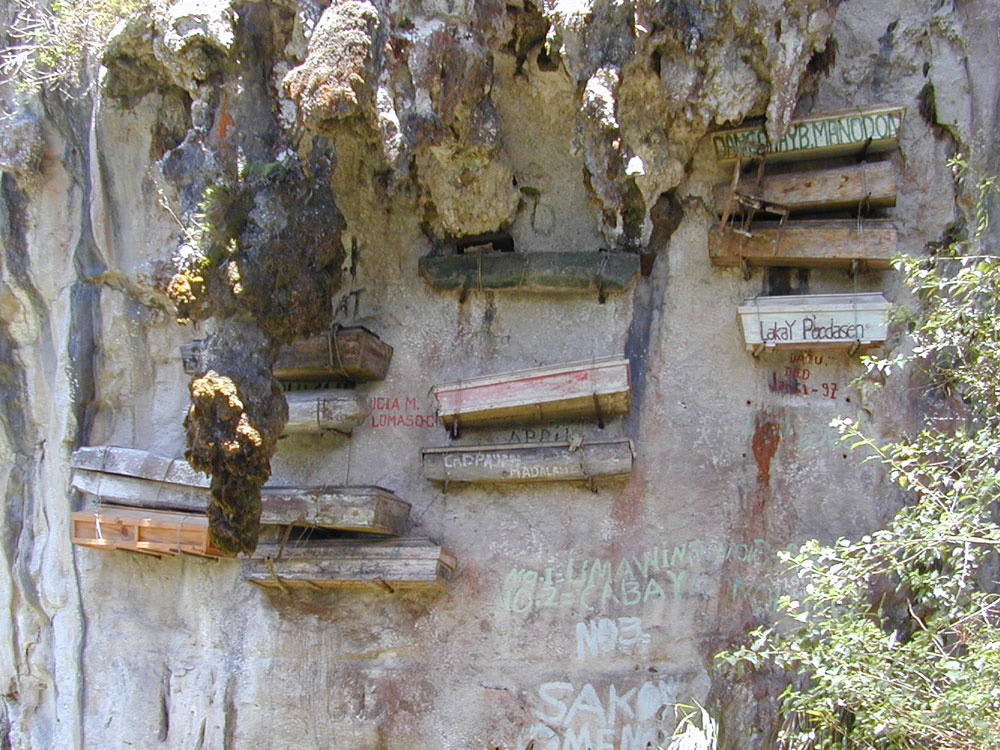
40) Hanging coffins in Echo Valley
© 2011 Travel-Philippines.com